NILAI TERBAIK SE INDONESIA PADA UJIAN IGCSESELEMAT KEPADA SISWA SISWI SES YANG TELAH MERAIH
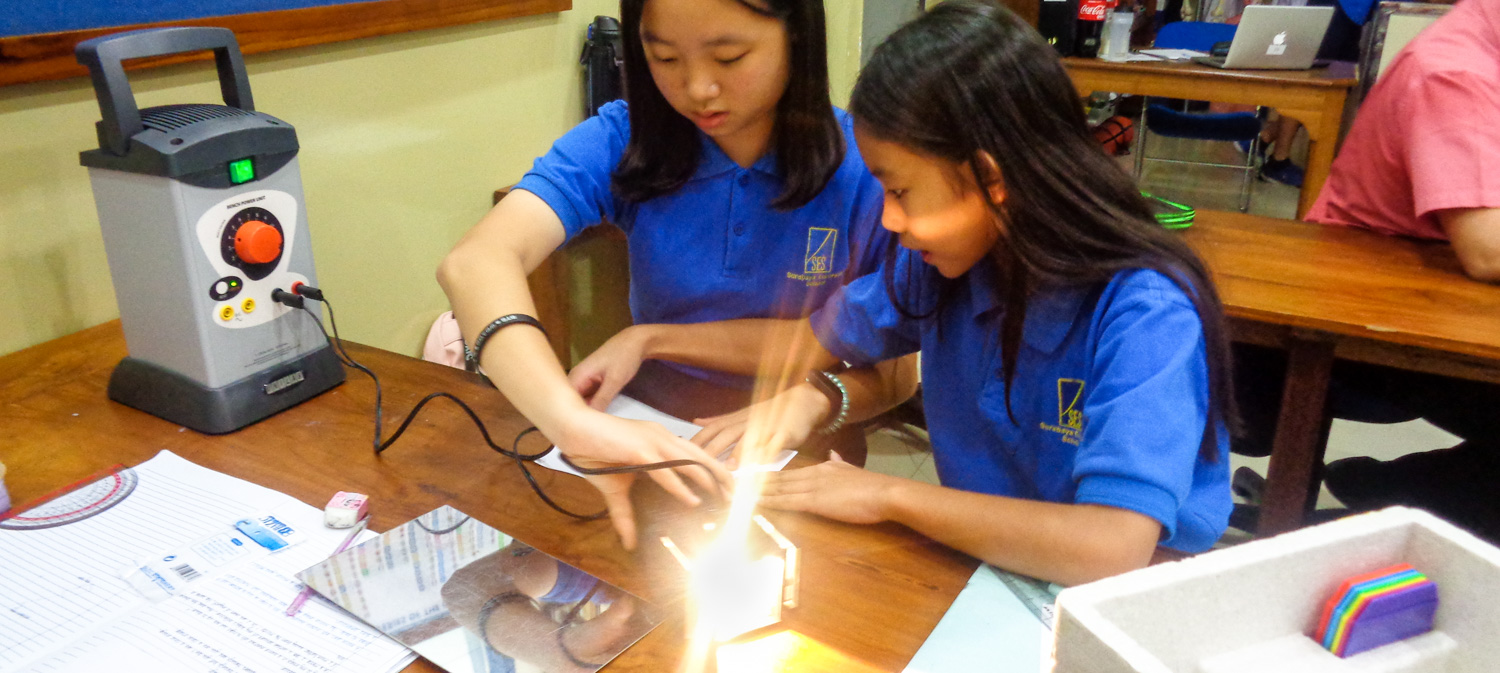
SES dengan bangga memiliki kompetensi Cambridge Pathaway secara lengkap untuk pelajar dari usia 5 hingga 19 tahun.SES telah terakreditasi oleh Badan Akerditasi Nasional dengan nilai 'A' untuk tingkat Montessori (Kelompok Bermain dan Taman Kanak-Kanak), Sekolah Dasar, Sekolah Menengah Pertama, dan Sekolah Menengah Atas.
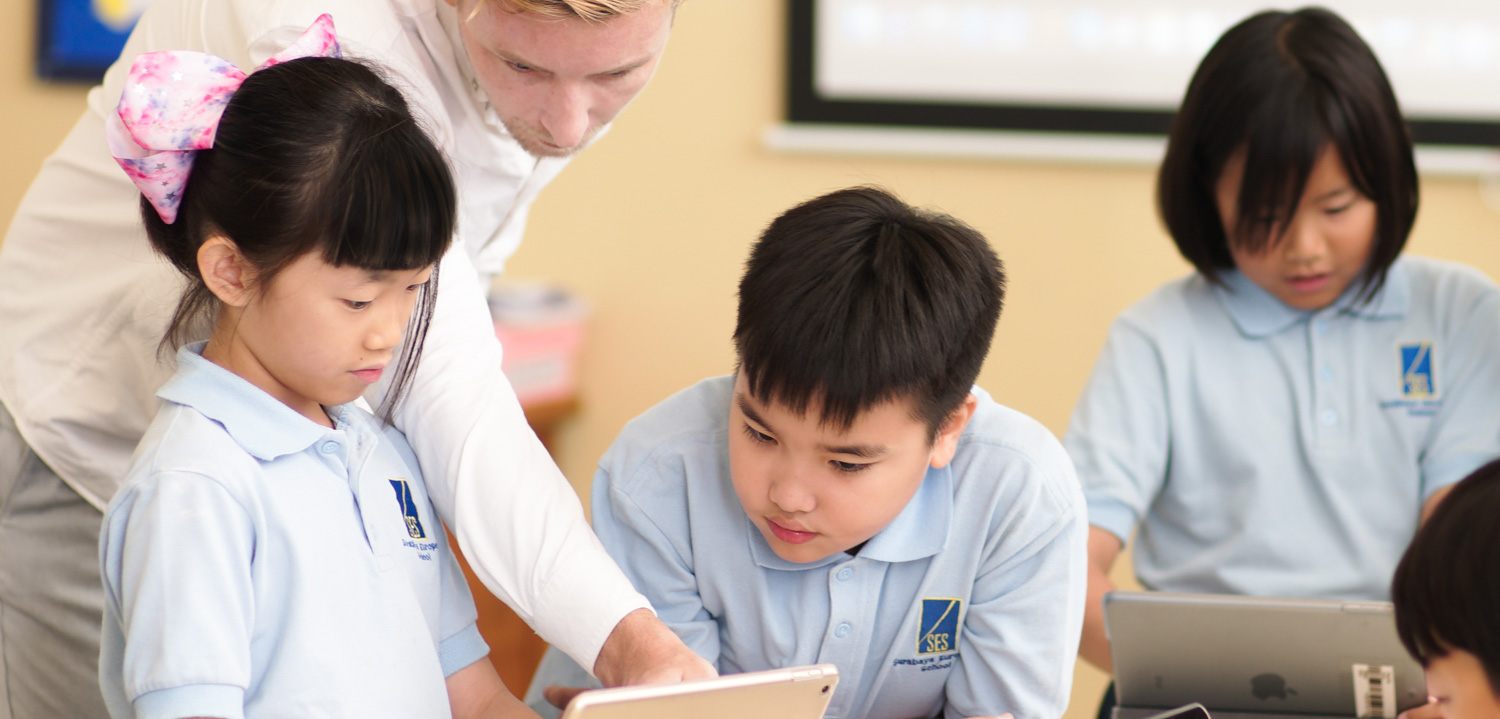
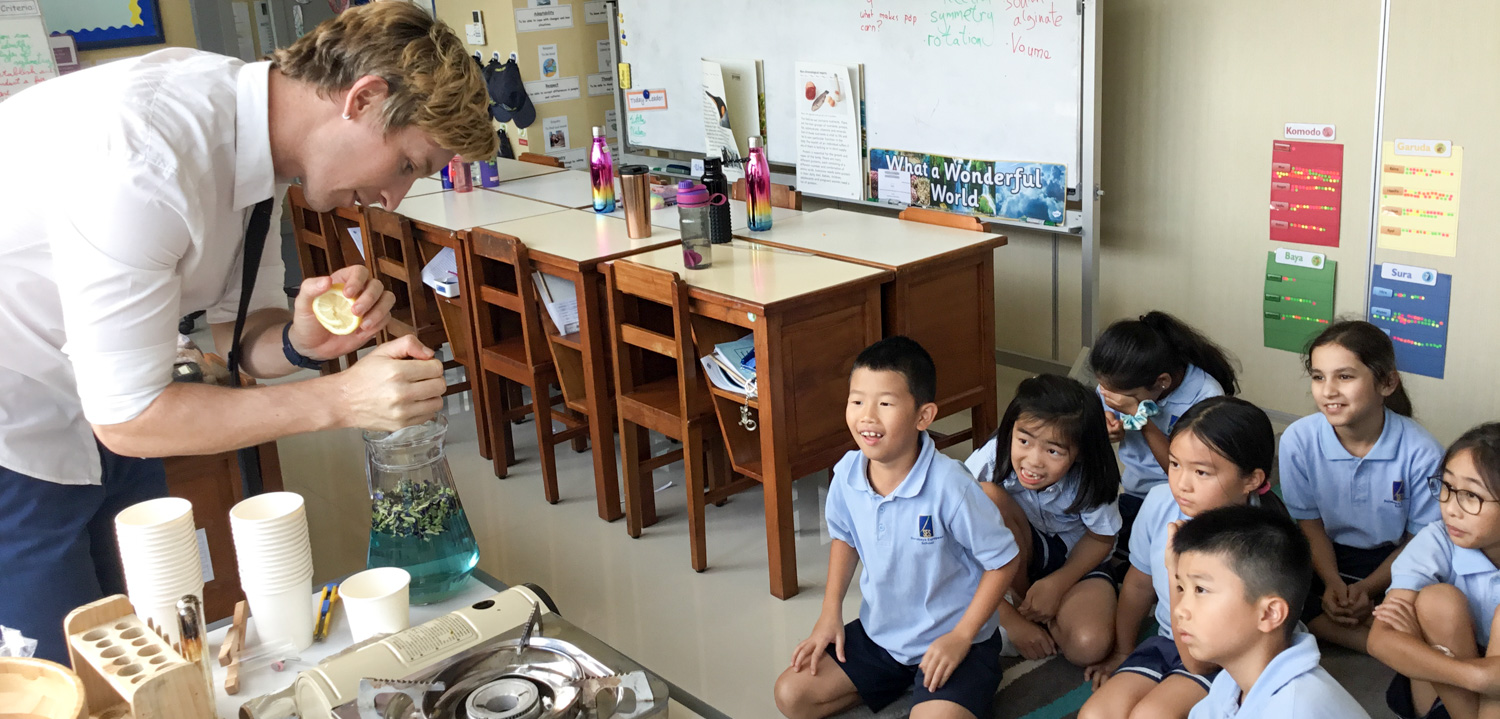
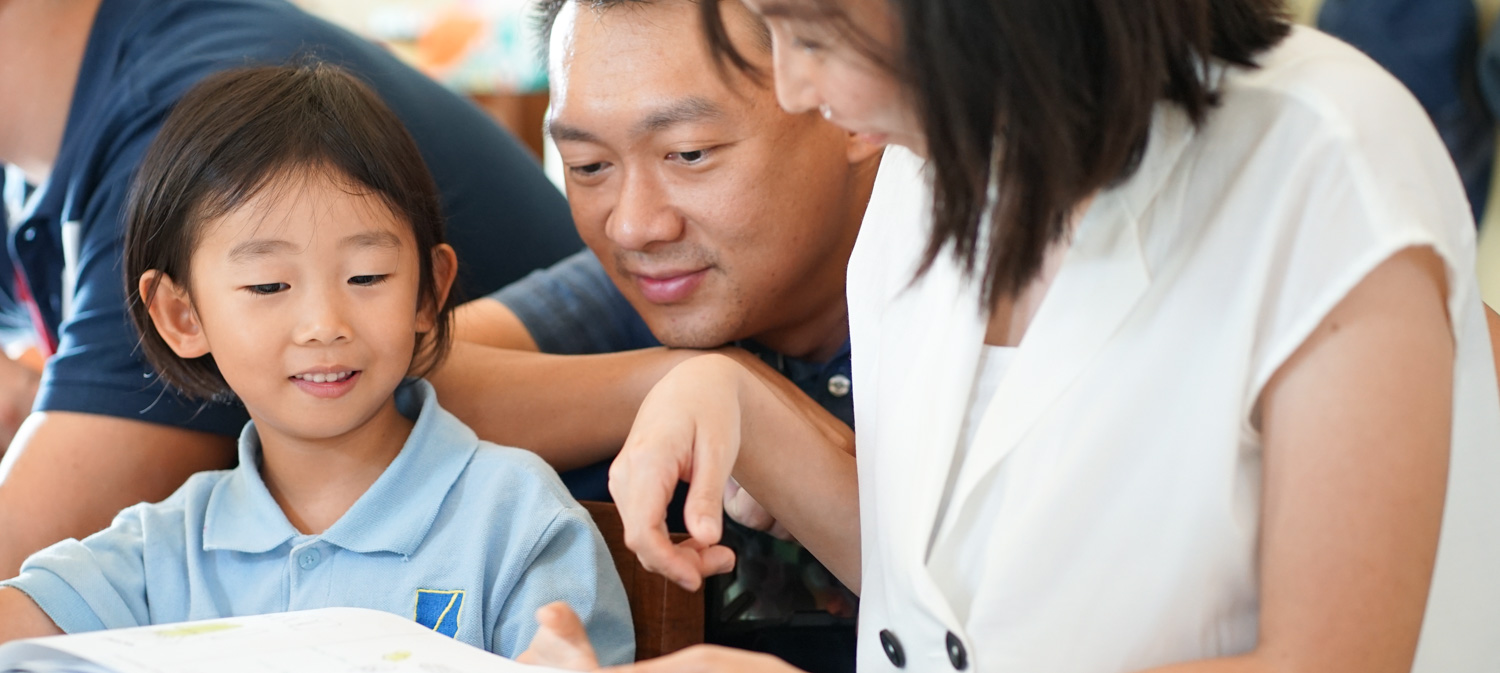
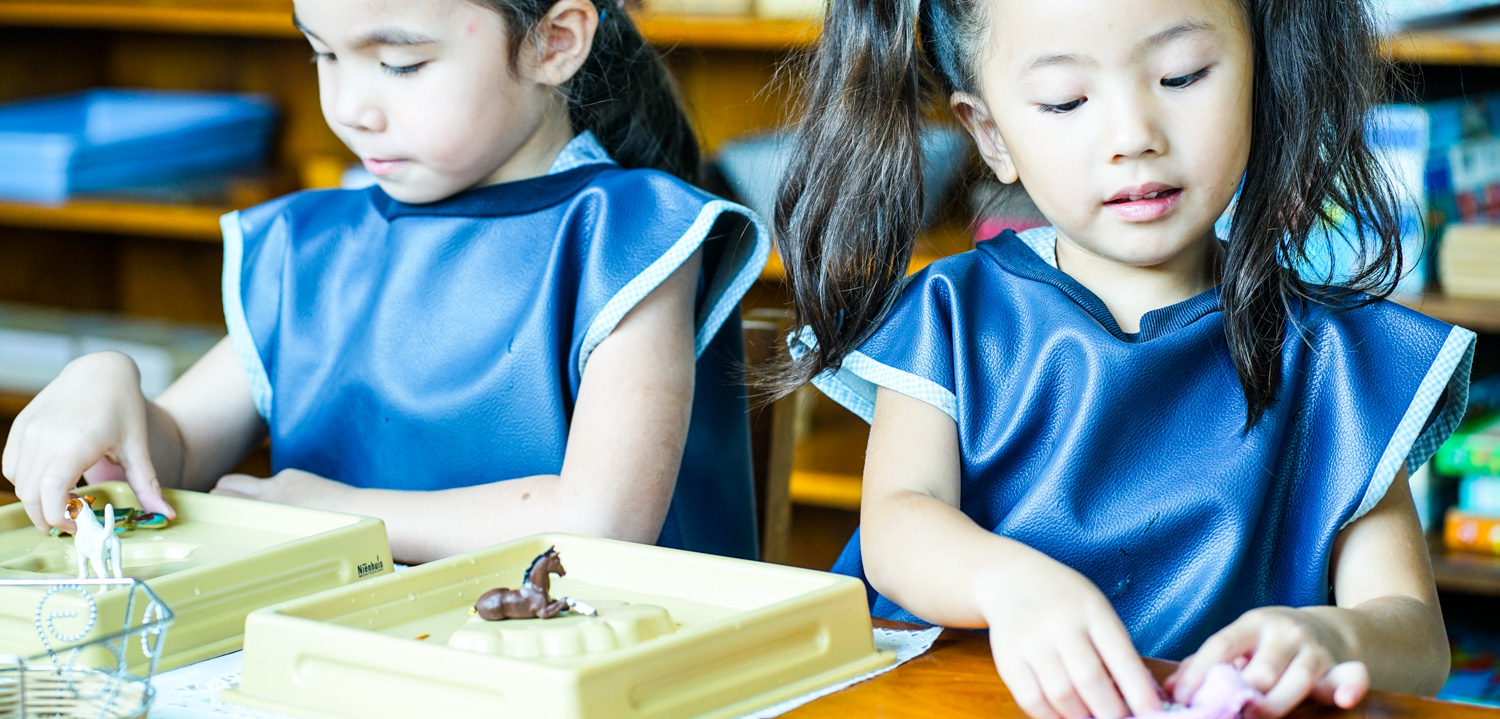
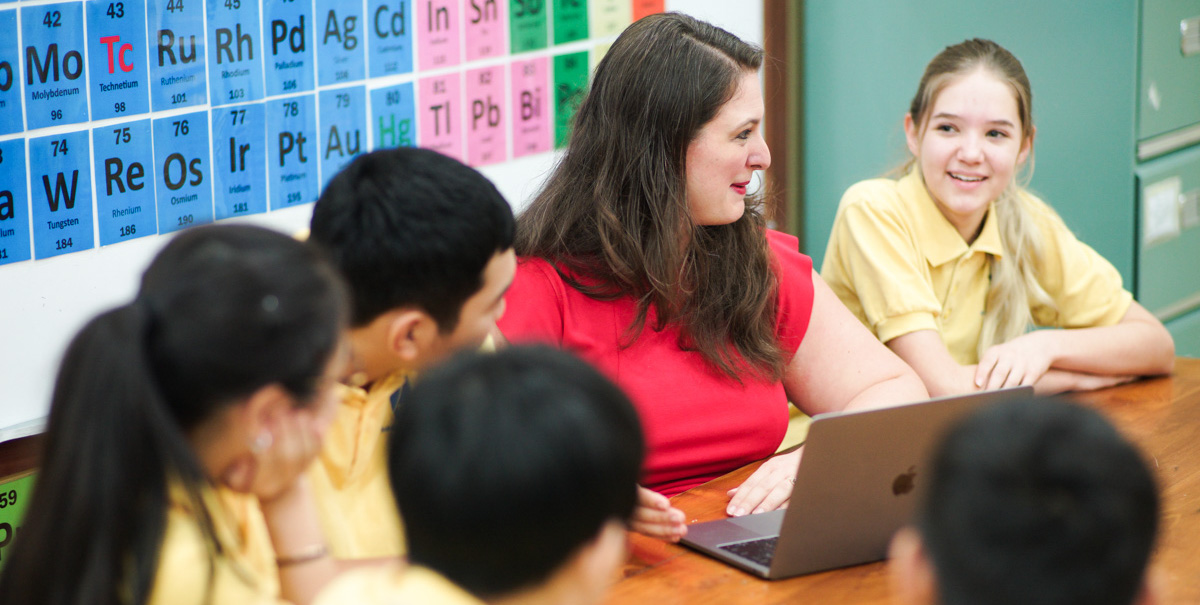
Di samping kualifikasi dan pengalaman mereka, para guru Surabaya European School memiliki kualitas yang dibutuhkan untuk mendukung dan menginspirasi siswa di sekolah internasional berkinerja tinggi. Kualitas-kualitasini termasuk; antusiasme, kemandirian, ketahanan, kemampuan beradaptasi, dan selera humor. Dari level Montessori, Sekolah Dasar, dan Sekolah Menengah, karakteristik-karakteristik ini berkontribusi membentuk lingkungan yang peduli, suportif, dan komunitas peduli ini yang mendorong setiap siswa untuk mengeksplorasi dan mengembangkan potensi diri dengan cara mereka sendiri.
Mendidik Warga Dunia
Fokus kami yang konsisten untuk siswa adalah untuk mendapatkan standar akademik yang tinggi, keterampilan hidup yang penting, dan rasa tanggung jawab kepada masyarakat; semua dalam kerangka suasana kekeluargaan. Kami juga memastikan bahwa setiap siswa menerima dukungan pendidikan yang mereka butuhkan sambil ditantang untuk memperluas diri sesuai dengan potensi masing-masing.
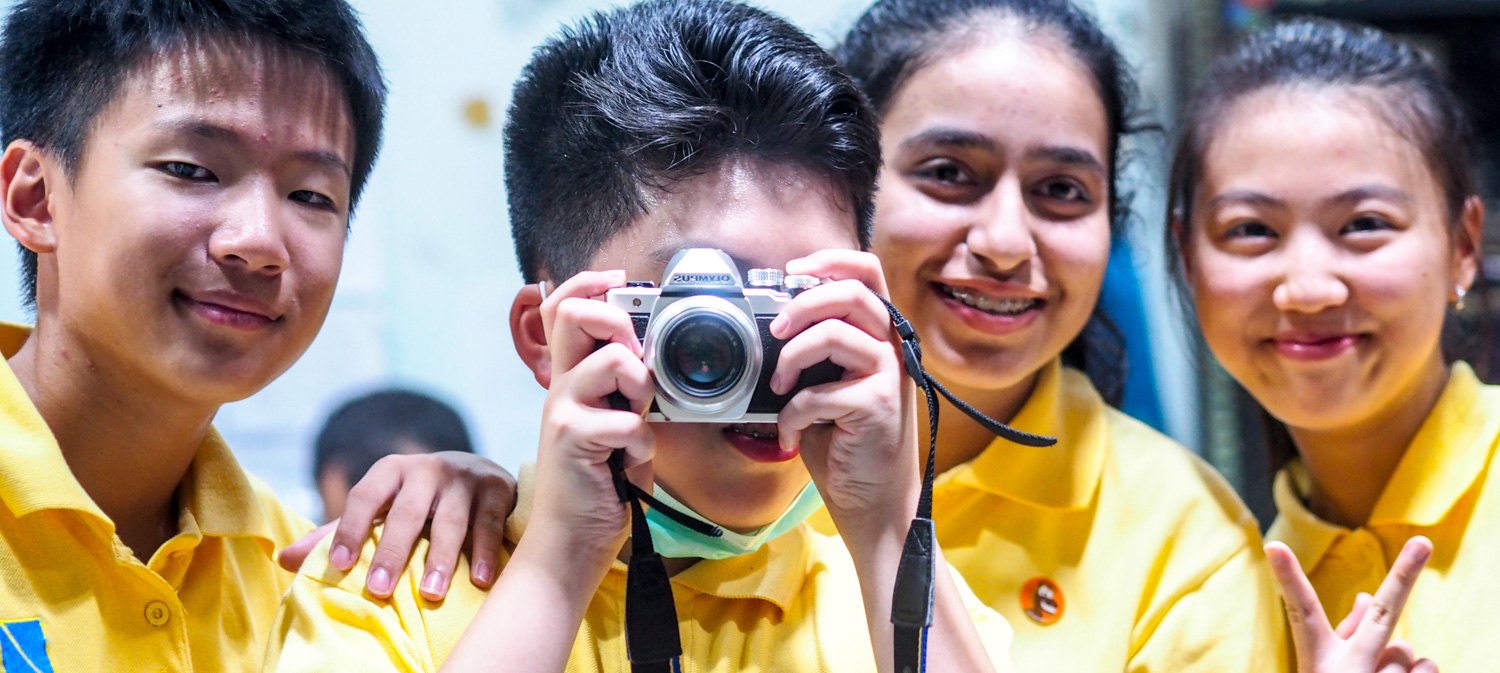
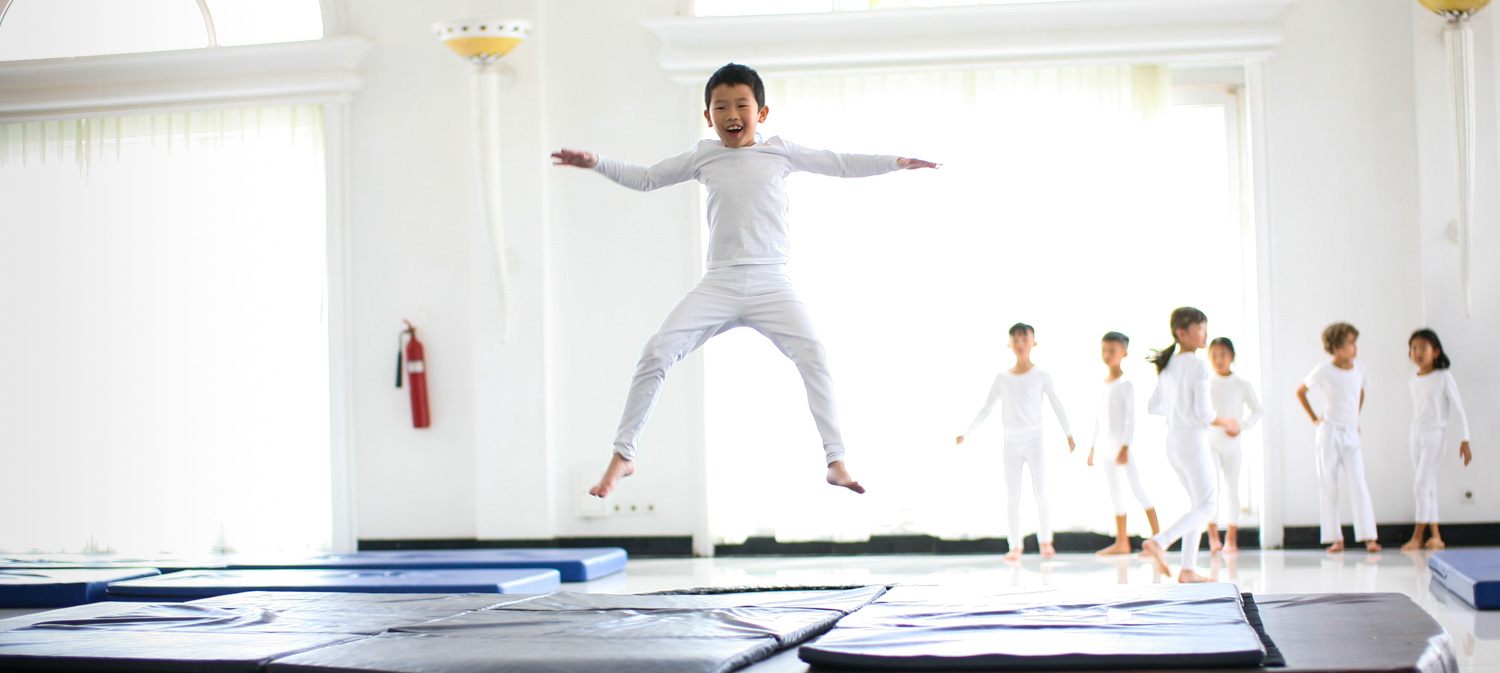
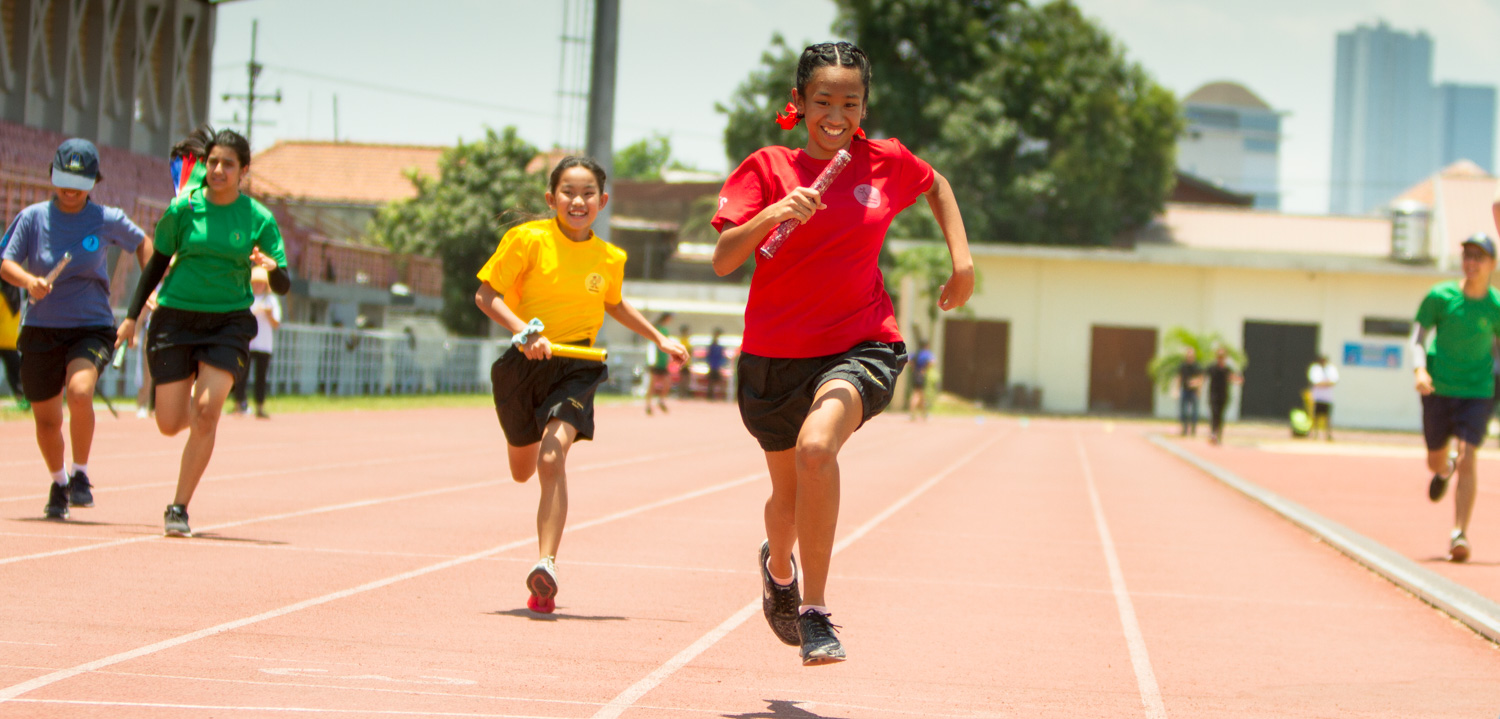
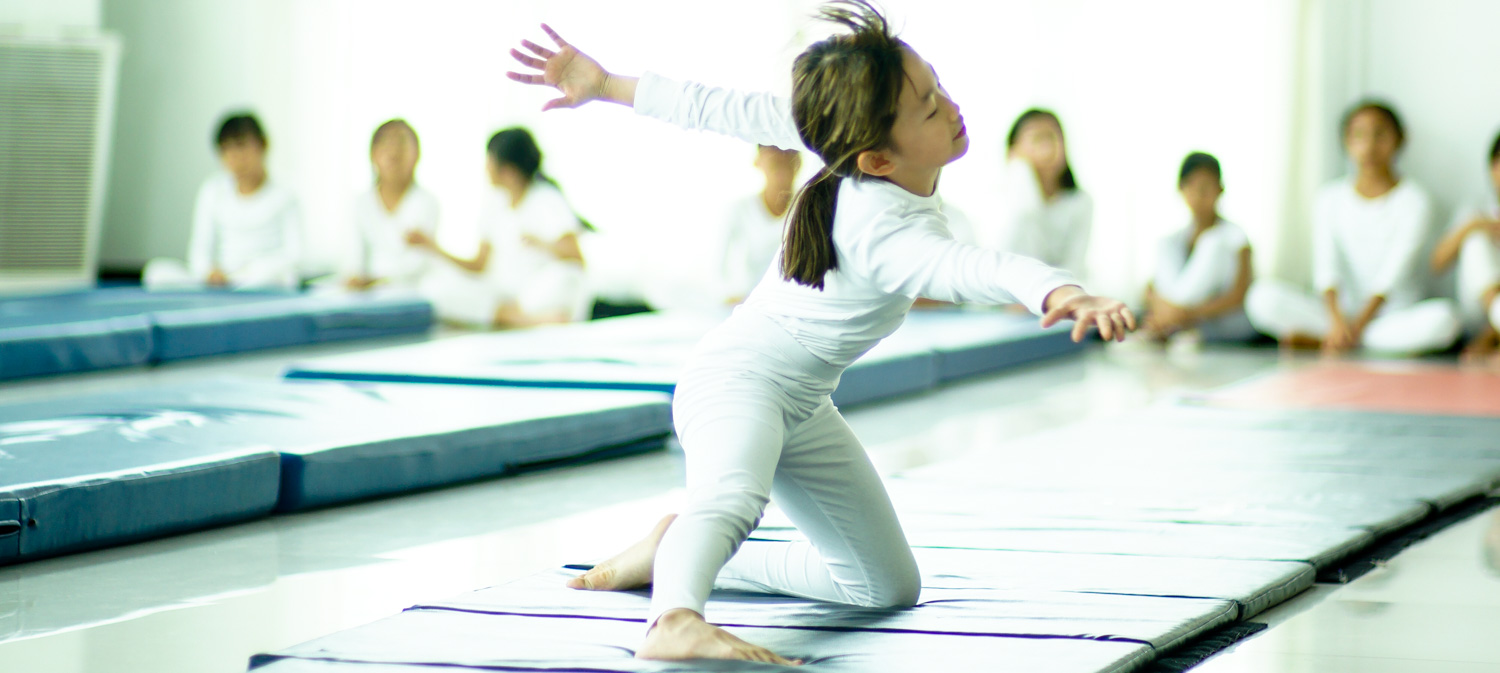
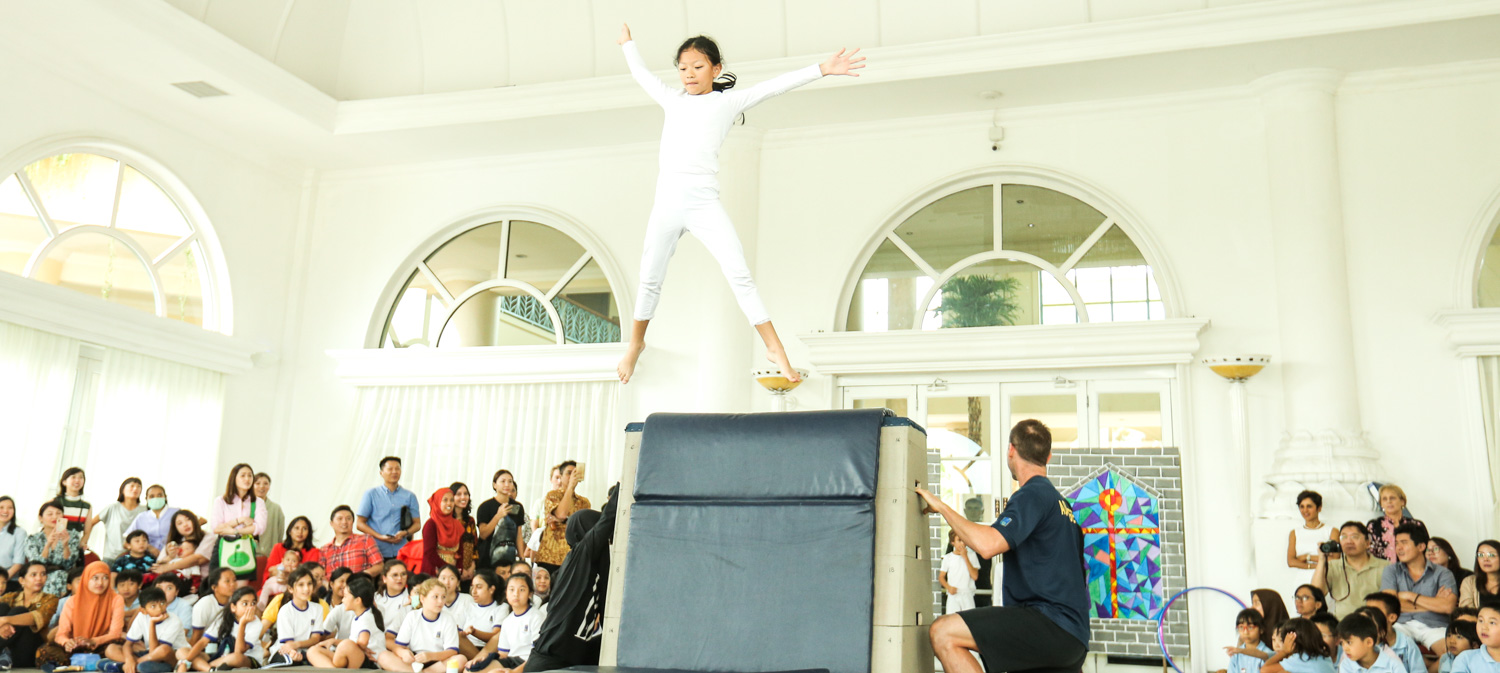
Sebagai sekolah internasional, kami bangga dengan atmosfer kekeluargaan dan komunitas budaya yang beragam yang telah kami ciptakan di Surabaya. Kami melakukan upaya sadar untuk mengadakan acara yang menawarkan komunitas kami kesempatan untuk berkumpul bersama dalam berbagai kegiatan olahraga, seni, intelektual, dan budaya. Selain menumbuhkan rasa memiliki, ini memungkinkan siswa kami untuk mengeksplorasi kreativitas dan imajinasi mereka dan mendapatkan kepercayaan diri dalam mengekspresikan diri.
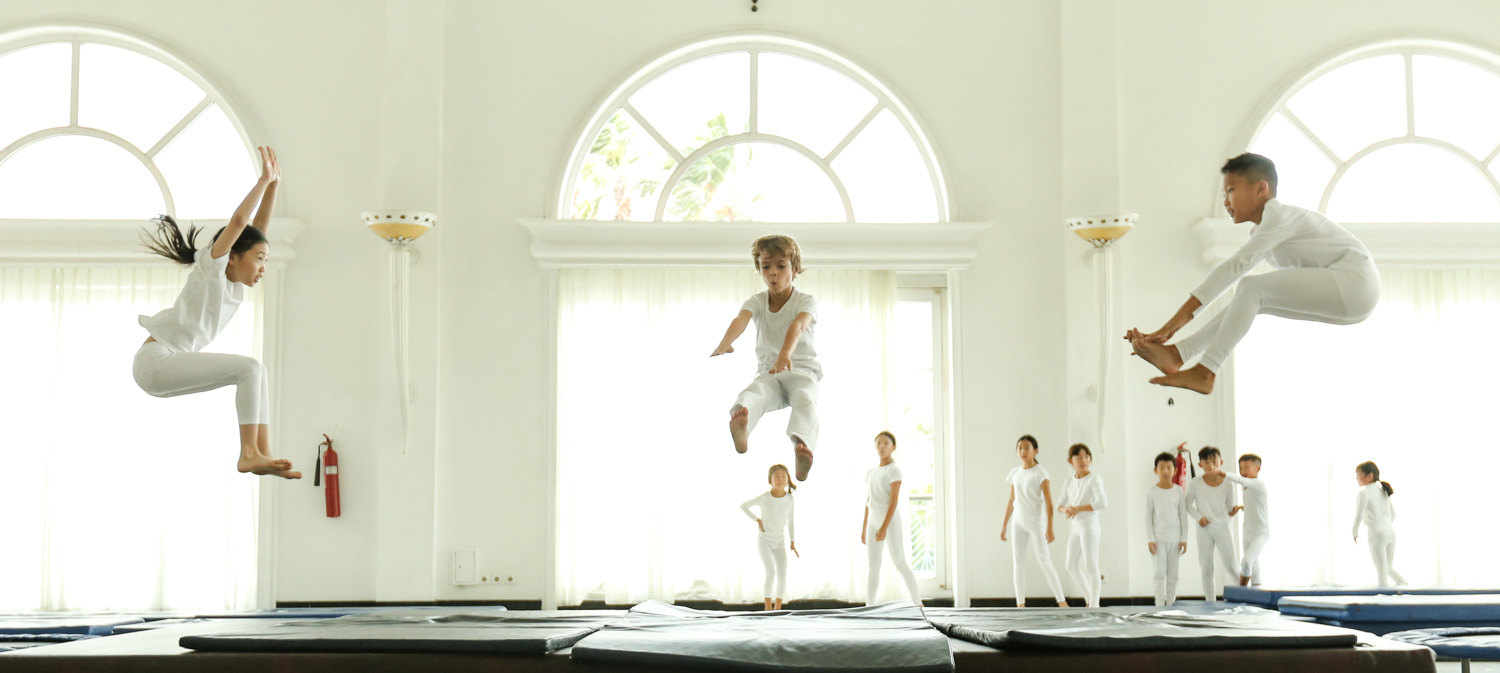
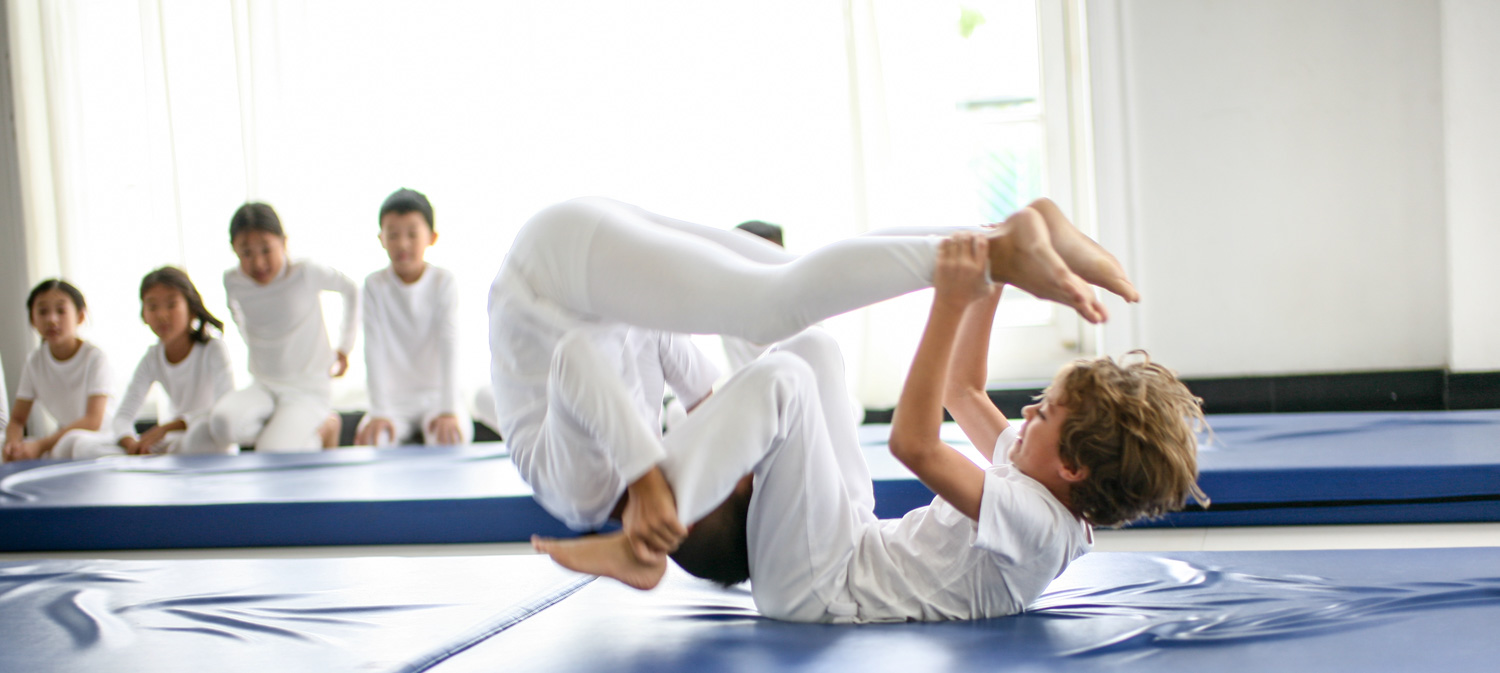
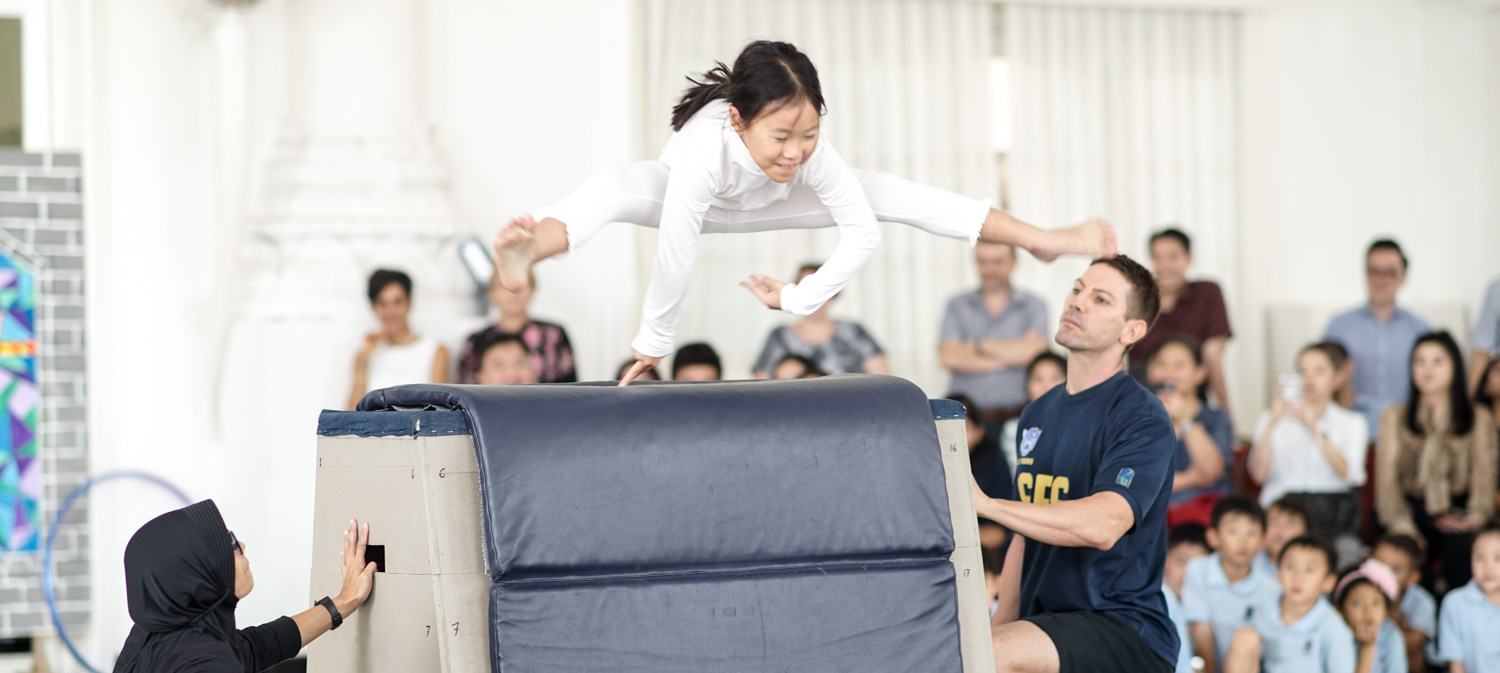
SES merayakan kegiatan olahraga, budaya, sosial dan amal dari komunitas sekolah kami. Memberi siswa kami peluang untuk melakukan kegiatan kebugaran, olahraga, ekspresi artistik, serta lingkungan sosial yang mendukung adalah bagian yang sangat penting dari perkembangan holistik mereka. Kami menghargai upaya ekstensif para guru dan orang tua kami dalam memberikan pengalaman yang menyeluruh. Lihat Instagram feed kami.
A little volcano, a big eruption of curiosity! 🌋✨
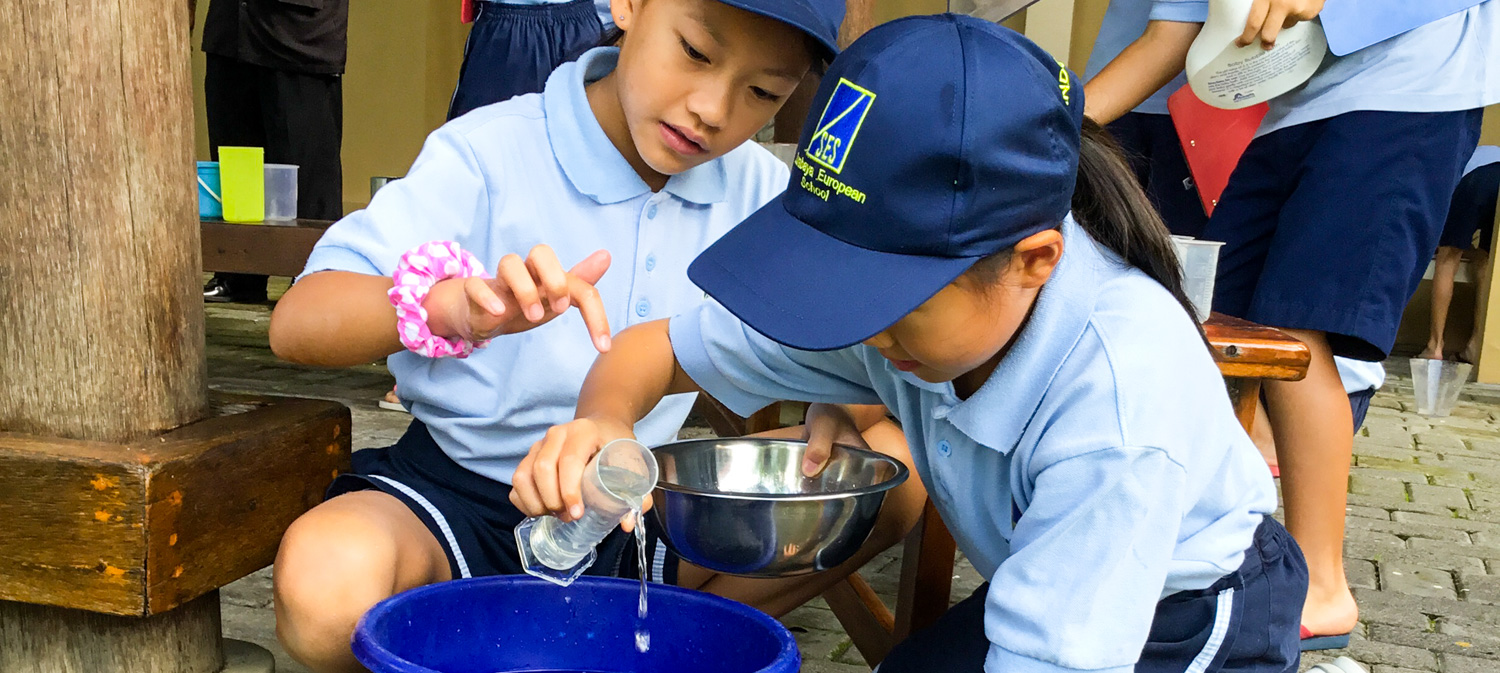
Our young scientists got creative while building their very own volcanoes and exploring the science behind an eruption. From crafting to experimenting, every step was filled with curiosity, excitement and plenty of fun! 🧪🔬
Our young scientists got creative while building their very own volcanoes and exploring the science behind an eruption. From crafting to experimenting, every step was filled with curiosity, excitement and plenty of fun! 🧪🔬
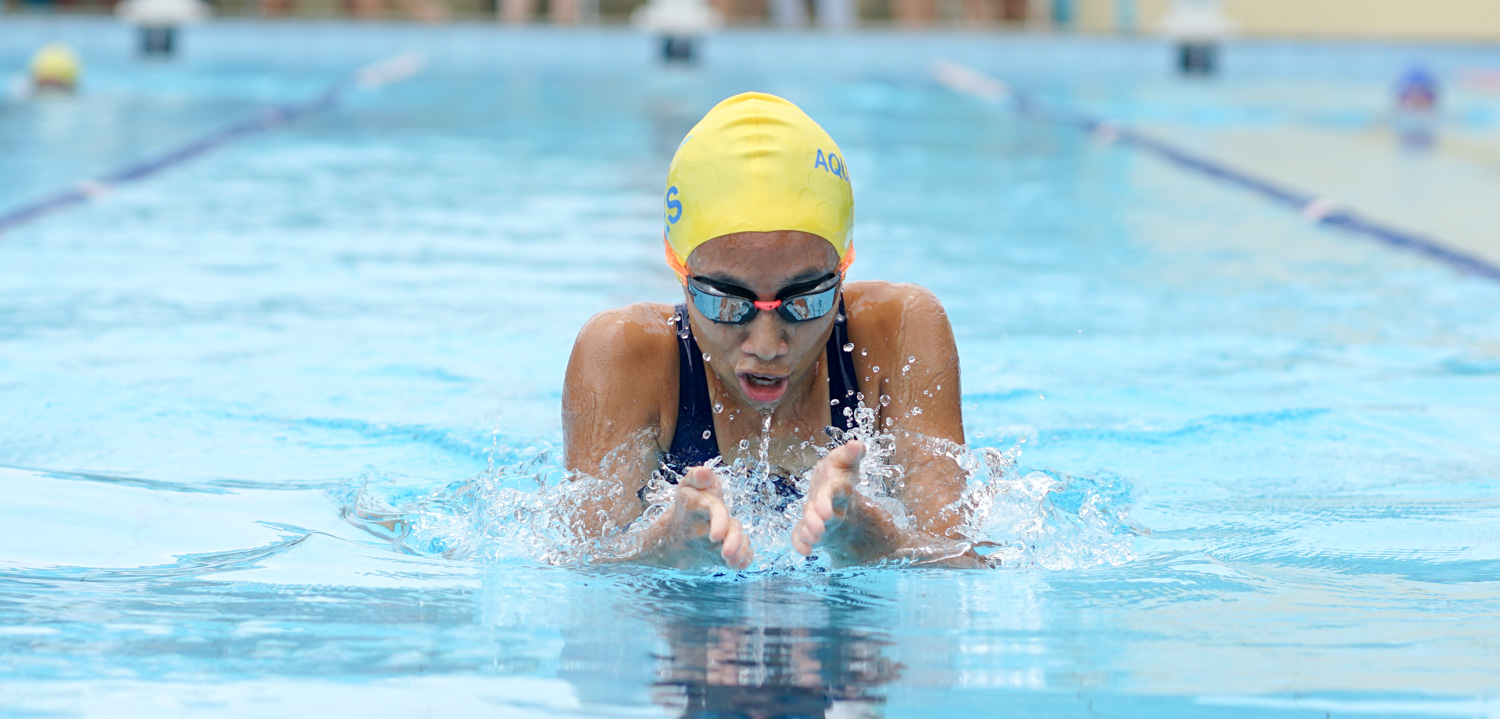
CELEBRATING BRILLIANCE 🏊♂️💙 TEAM SES AQUA TIGERS | FUN Aquatic Competition Series 2
Every splash tells a story of courage, determination, and teamwork.
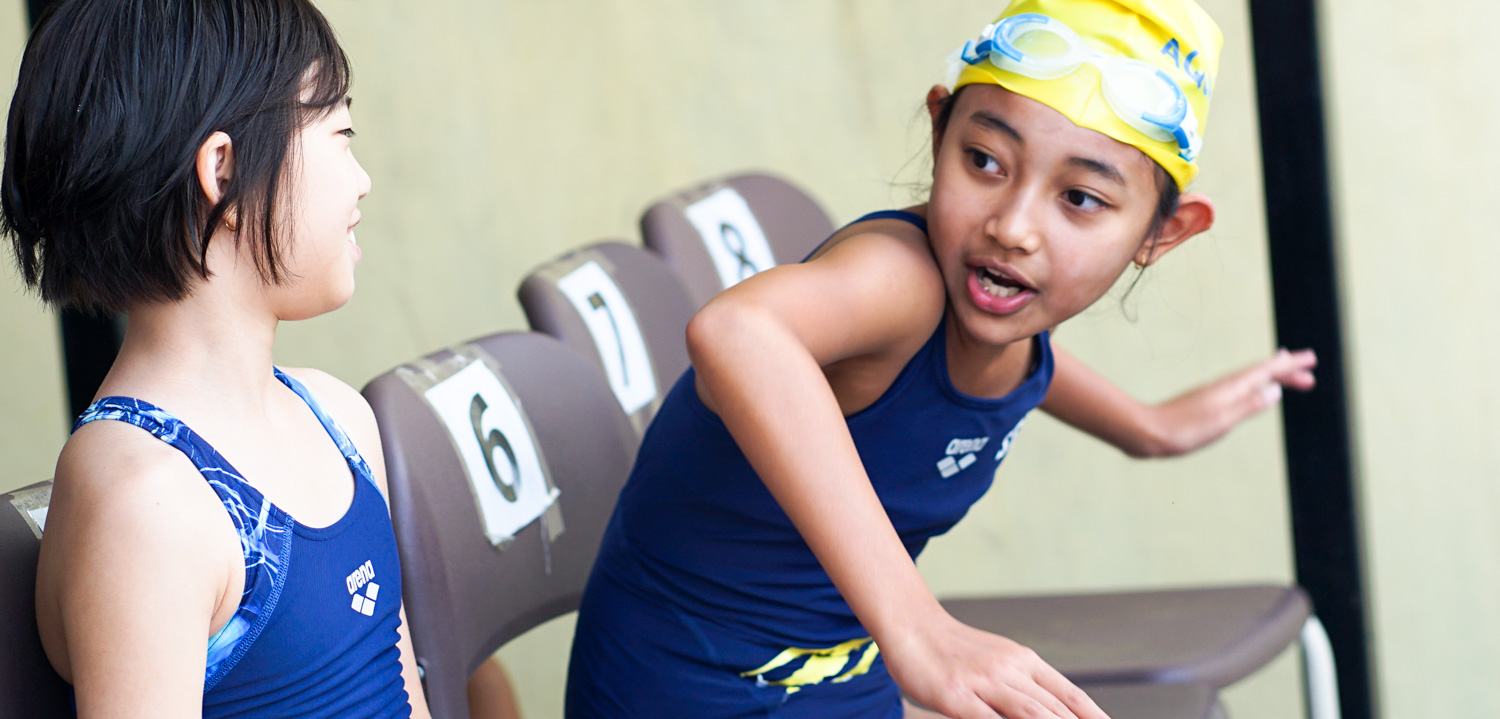
From confident dives to powerful strokes, our SES Aqua Tigers gave their very best in the FUN Aquatic Competition Series 2. Beyond medals and timings, this competition was about building resilience, supporting one another, and truly enjoying every moment in the pool.
We are incredibly proud of each student’s effort, sportsmanship, and enthusiasm. Every race reflected their commitment to growth, discipline, and team spirit.
💙 Go, SES Aqua Tigers! #SurabayaEuropeanSchool #SESAquaTigers #SwimmingCompetition #StudentLife #CambridgeSchool
CELEBRATING BRILLIANCE 🏊♂️💙 TEAM SES AQUA TIGERS | FUN Aquatic Competition Series 2
Every splash tells a story of courage, determination, and teamwork.
From confident dives to powerful strokes, our SES Aqua Tigers gave their very best in the FUN Aquatic Competition Series 2. Beyond medals and timings, this competition was about building resilience, supporting one another, and truly enjoying every moment in the pool.
We are incredibly proud of each student’s effort, sportsmanship, and enthusiasm. Every race reflected their commitment to growth, discipline, and team spirit.
💙 Go, SES Aqua Tigers! #SurabayaEuropeanSchool #SESAquaTigers #SwimmingCompetition #StudentLife #CambridgeSchool...
26
0
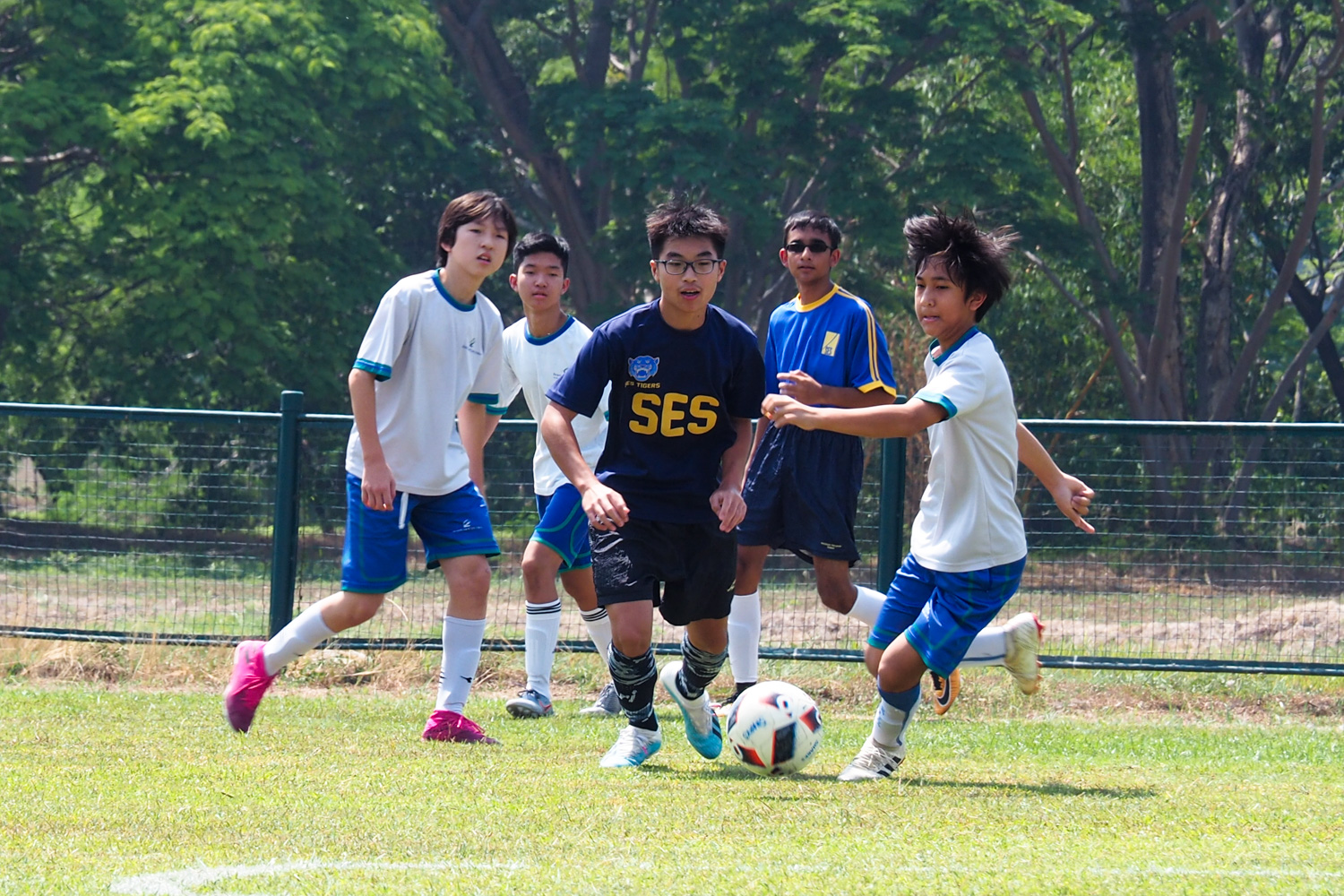
⚽️ Passion, teamwork, and a little friendly rivalry!
Our Interhouse Football Competition brought students together for an action-packed day on the pitch. From brilliant teamwork to exciting goals, every match was a chance to play, compete, and cheer each other on.
More than just football — it’s all about team spirit, sportsmanship, and celebrating every student’s brilliance.
⚽️ Passion, teamwork, and a little friendly rivalry!
Our Interhouse Football Competition brought students together for an action-packed day on the pitch. From brilliant teamwork to exciting goals, every match was a chance to play, compete, and cheer each other on.
More than just football — it’s all about team spirit, sportsmanship, and celebrating every student’s brilliance.
Our SES students had a dental check-up and a chance to learn more about keeping their smiles healthy! 🪥😁 A simple check-up, a little learning, and lots of happy smiles along the way. 💙
Our SES students had a dental check-up and a chance to learn more about keeping their smiles healthy! 🪥😁 A simple check-up, a little learning, and lots of happy smiles along the way. 💙
Our little creators put their imagination into motion as they turned simple pieces of cardboard into their very own cars! 🧡📦
Through this hands-on activity, our students explored creativity, problem-solving and the joy of making something from scratch. Who knew cardboard could take us on such an exciting ride? 🛠️💡
Our little creators put their imagination into motion as they turned simple pieces of cardboard into their very own cars! 🧡📦
Through this hands-on activity, our students explored creativity, problem-solving and the joy of making something from scratch. Who knew cardboard could take us on such an exciting ride? 🛠️💡