Skip to content

SES Blog

The Empowering Hub: How a Good Library Fuels Learning Agility at SES

The Empowering Hub: How a Good Library Fuels Learning Agility at SES

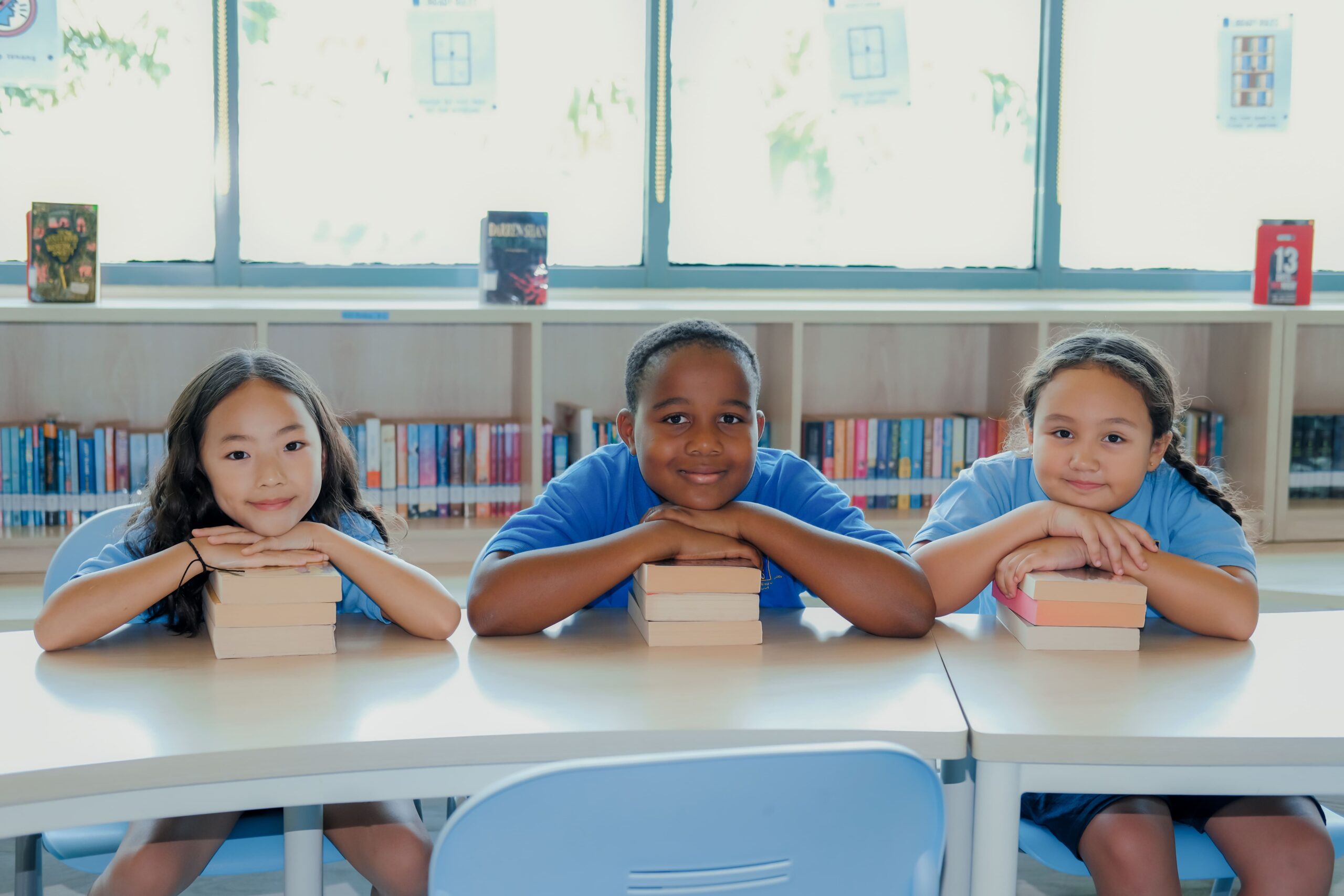
In the ever-changing world of modern education, the knack for students to adapt, learn quickly, and get their heads around new information effectively – often called “learning agility” – is absolutely key. At Surabaya European School (SES), we reckon that a well-stocked and thoughtfully put-together library isn’t just a place with books, but a vital engine that significantly boosts our students’ learning agility, helping them become adaptable and lifelong learners.

A good library acts as the intellectual heart of an institution, providing proper fertile ground for having a good look around, discovering things, and growing crucial skills that underpin learning agility. Here’s how the library at SES plays a pivotal role in shaping our students’ capacity to learn and adapt:

  1. Growing Information Literacy: The Basis of Agility

Learning agility all boils down to being able to find, suss out, and use information properly. The SES library actively fosters these skills through:

  • Proper Comprehensive Resources: Our library boasts a diverse collection of resources, carefully picked to fit with what they’re learning and cater to all sorts of interests and ways of learning. This wide range shows students different ways of getting information.
  • Expert Guidance: Our dedicated library staff aren’t just in charge of the books; they’re skilled information specialists who guide students in working out if sources are reliable and developing good ways to do research. This helps students become confident and clever at finding information.
  • Information Literacy Programmes: SES weaves information literacy skills into what they’re learning, with the library being a key partner in teaching these essential lessons. Students learn how to ask the right questions when searching, properly think about the information they find, and use sources ethically – skills that are directly useful in new learning situations.
  1. Fostering Curiosity and Exploration: Fueling the Desire to Learn

A good library sparks curiosity and encourages students to have a look beyond what they strictly need for schoolwork, a key part of being learning agile:

  • Diverse Collections: Being exposed to all sorts of genres, subjects, and points of view in the library’s collection broadens students’ horizons and gets them interested in new things. This intellectual curiosity drives them to explore unfamiliar areas and pick up new knowledge off their own bat.
  • Comfortable and Inspiring Spaces: The SES library provides a welcoming and stimulating environment that encourages browsing, reading for pleasure, and having a quiet thought. This fosters a positive feeling about learning and encourages students to explore things themselves.
  • Access to What’s Current and Relevant: The library keeps its collection up-to-date with modern resources, making sure students have access to the latest information and different viewpoints, preparing them to deal with what’s happening now and in the future.
  1. Supporting Independent and Self-Directed Learning:

Learning agility is closely linked to being able to take charge of your own learning journey. The SES library supports this by:

  • Providing Resources for Learning Your Own Way: The library offers loads of materials that suit different ways of learning and how quickly people learn, allowing students to really get into topics that interest them and follow their own learning paths.
  • Offering Quiet Study Spots and Places to Work Together: The library has both quiet areas for when you need to concentrate and places where you can work on group projects and learn from your mates, fostering the adaptability needed to learn effectively in different situations.
  • Promoting Being Resourceful: By helping students find their way around the library’s resources themselves, SES fosters resourcefulness – the ability to find and use what they need to learn, a crucial part of learning agility.
  1. Cultivating Critical Thinking and Problem-Solving Skills:

Getting stuck into the diverse information available in a good library naturally fosters critical thinking and problem-solving, essential parts of learning agility:

  • Exposure to Different Points of View: The library’s collection shows students all sorts of ways of looking at complex issues, encouraging them to properly think about information, compare different arguments, and form their own informed opinions.
  • Support for Learning by Asking Questions: The library actively supports learning by asking questions, providing the resources students need to explore their queries in depth and develop their problem-solving abilities.

The SES Advantage: A Library as a Launchpad for Learning Agility

At Surabaya European School, we understand that our library isn’t just a static place but a dynamic hub that actively helps our students grow as agile learners. By providing a rich collection, expert guidance, and a supportive environment, the SES library empowers students to become confident information seekers, critical thinkers, and self-directed learners – qualities that will serve them well in their schoolwork and beyond, enabling them to adapt and thrive in an ever-changing world. Our commitment to a cracking library is a commitment to fostering the learning agility that defines successful 21st-century citizens.
Lunchtime Natter, Lifetime Connections: How SES Round Table Discussions Grow Proper Social Skills

Lunchtime Natter, Lifetime Connections: How SES Round Table Discussions Grow Proper Social Skills

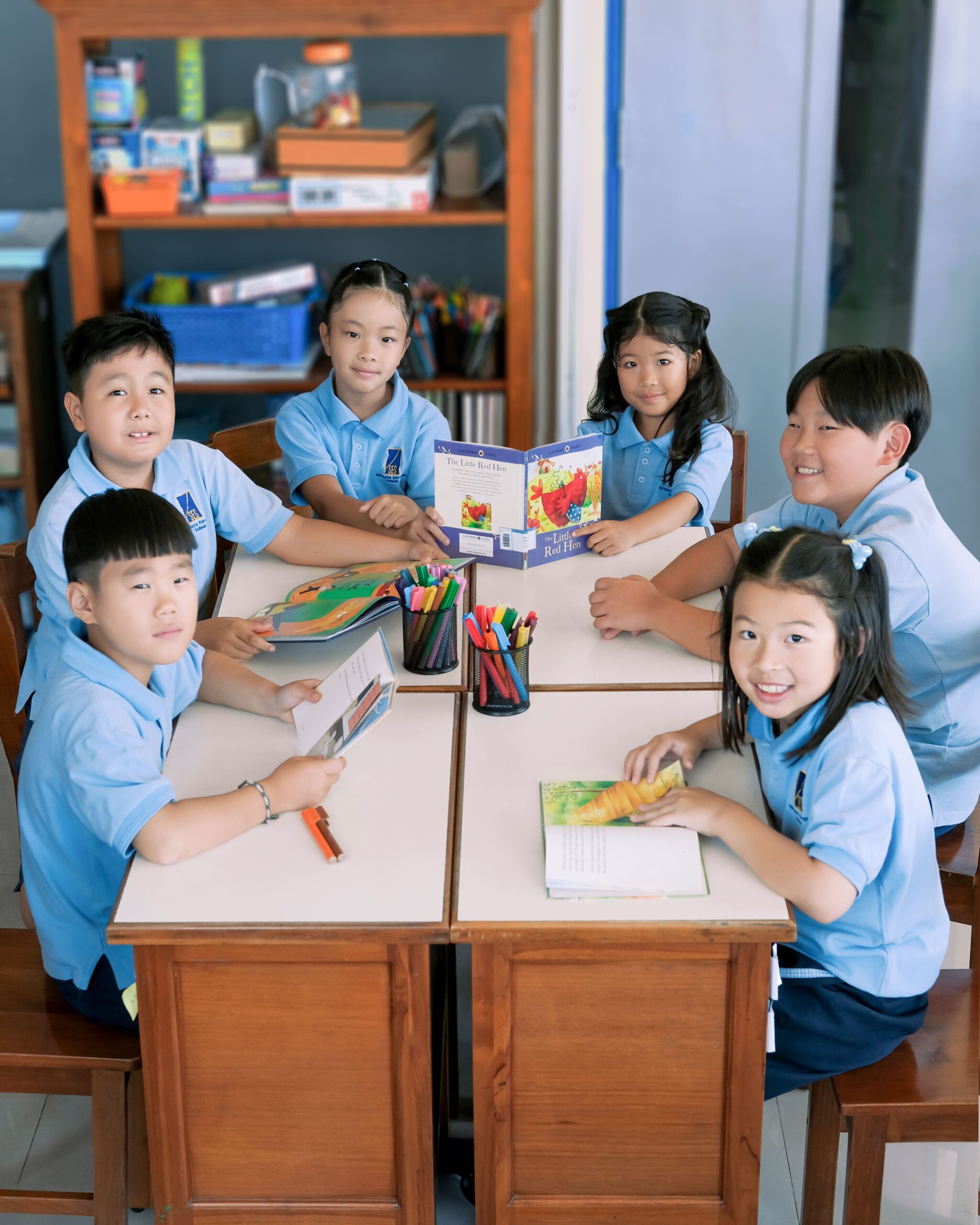
The midday buzz of the Surabaya European School (SES) dining hall isn’t just about refuelling for the afternoon’s lessons, you know. For students across all year groups, lunchtime has turned into a rather brilliant and invaluable opportunity: the Round Table Discussion. This informal yet proper helpful practice, where students gather organically during their break, is subtly and powerfully shaping their social skills, growing empathy, and nurturing a stronger sense of community within the school.

Forget the hurried individual lunches and the digital distractions. At SES, you’ll often find little groups of students, sometimes even with different ages mixed in, spontaneously forming these round table get-togethers. There isn’t a strict plan or a teacher in charge; instead, conversations just flow naturally, driven by what they’re all interested in, what’s going on in the news, classroom chats carrying on, or just wanting to connect with their mates.

Proper Training Ground for Social Skills:

This simple yet rather profound lunchtime ritual acts as a proper dynamic workshop for honing crucial social skills:

  • Proper Listening: With no one really leading the chat, students naturally take turns speaking and, more importantly, learn to properly listen to their mates. They practise paying attention, looking at people when they talk, and taking in different points of view – skills that are key for proper meaningful communication.
  • Getting Your Thoughts Out There: The relaxed setting encourages students to say what they think, share what they’ve been up to, and get their ideas across in a comfortable atmosphere. This builds confidence in their ability to chat and helps them learn to put their thoughts together clearly.
  • Respecting Everyone’s Point of View: With all sorts of different students at SES, these round table discussions naturally show students loads of different ways of seeing things. They learn to appreciate and respect opinions that might be different from their own, growing tolerance and being open-minded.
  • Getting the Hang of Social Situations: Without strict rules, students learn to navigate the comings and goings of conversation, understanding when to chip in, when to listen, and how to nicely change the subject or join in. This natural social interaction builds proper valuable social intelligence.
  • Understanding How Others Feel: Hearing personal stories, what their mates are finding tough, and their successes helps grow empathy and a deeper understanding of what it’s like being human. Students learn to connect with others on a more personal level, building stronger relationships based on understanding each other.
  • Sorting Out Little Squabbles (Without Making a Fuss): While it’s not the main aim, if there are little disagreements or different opinions in these chats, it gives students a casual place to learn how to sort things out respectfully and find common ground.

The Knock-On Effect: Building a Stronger SES Community:

The impact of these lunchtime round table discussions goes beyond just helping individual social skills; it properly helps build a stronger sense of community at SES:

  • Breaking Down Barriers Between Years: The spontaneous and mixed-age nature of these get-togethers helps break down social barriers between different year groups. Younger students get more confident chatting with older ones, while older students learn to look out for the younger ones and be good role models.
  • Making Sure Everyone Feels Included: The relaxed and welcoming vibe encourages all students to join in, no matter who their usual mates are. This helps create a more inclusive environment where everyone feels comfortable sharing and connecting.
  • Making the School Culture Better: The way of having open chats and students interacting with each other during these lunchtime discussions spreads throughout the school, helping to create a more supportive and connected student body.
  • Feeling Like You Belong: Feeling heard and connected with your mates is key for students to feel like they belong. The round table discussions give regular chances for students to feel seen, understood, and part of the bigger SES community.

In a world that’s getting more and more into online chats, the simple act of students gathering around tables during lunch at SES to share, listen, and connect is really important. These informal Round Table Discussions are more than just lunchtime natter; they’re the quiet but proper powerful things that help grow essential social skills, nurture empathy, and weave the strong, connected feel of the Surabaya European School community. This natural idea shows that the school understands that proper education goes beyond what’s in the books and grows in the everyday chats and relationships made within its walls.

Unlocking Potential: Montessori's Magic for Young Learners at SES

Unlocking Potential: Montessori’s Magic for Young Learners at SES

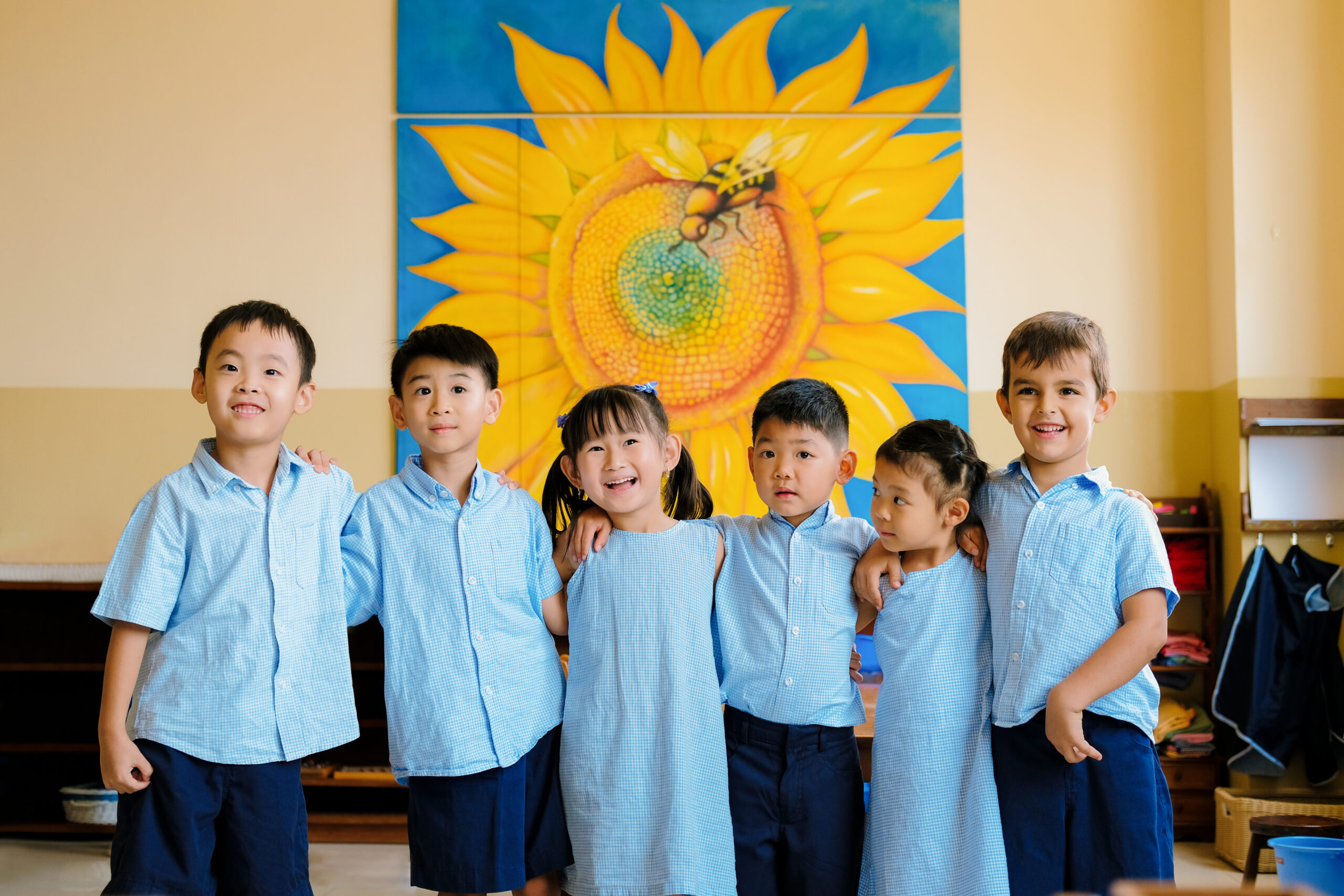
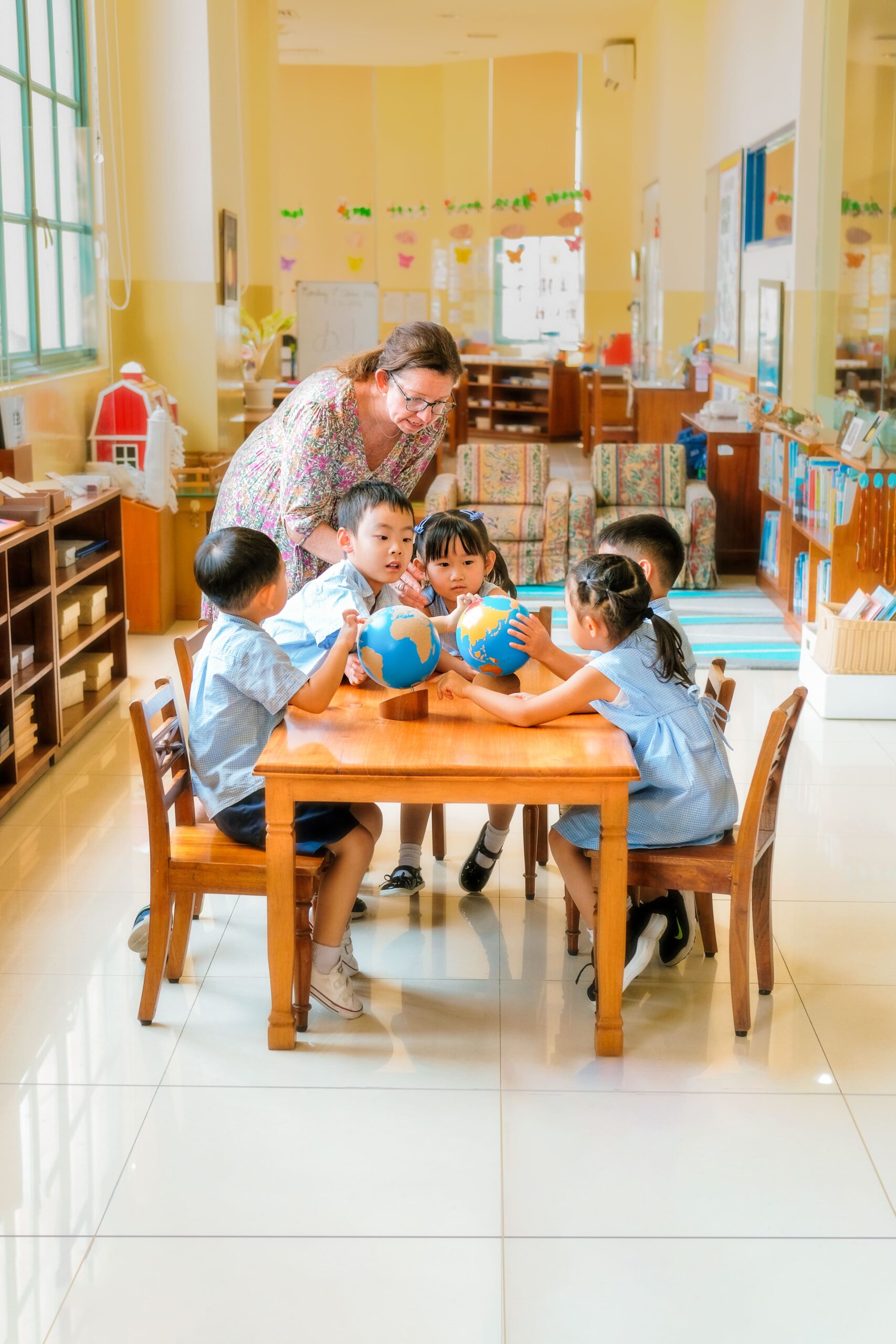
The Montessori way of teaching understands that young children are naturally curious and learn best by doing things themselves. At Surabaya European School (SES), we’ve taken these brilliant ideas and made them a special part of our early years program. We create a warm and encouraging place where little ones can grow in confidence, learn at their own pace, and really enjoy discovering the world around them.

Here’s a look at the key Montessori ideas we use at SES and how they help our young students flourish:

  1. Letting Children Lead the Way:
  • The Montessori Idea: Kids are born wanting to be independent. They learn best when they can choose what they work on and do it in their own time.
  • How SES Does It: Our Montessori classrooms are set up with lots of interesting things that are just the right size for little hands. Children can easily pick what they want to explore and spend as much time as they need on it. This helps them focus and become self-reliant.
  1. Making Learning a Joyful Adventure:
  • The Montessori Idea: When children are naturally curious, they become great learners. Montessori uses hands-on materials that make learning exciting.
  • How SES Does It: At SES, our young students have access to lots of things they can touch and explore, which connect learning to real life. This makes learning fun and helps them develop a lifelong love of finding out new things.
  1. Learning by Doing Everyday Things:
  • The Montessori Idea: Activities like pouring water, getting dressed, and tidying up help children develop important life skills and coordination, and make them feel responsible.
  • How SES Does It: Our SES Montessori classrooms have special areas for these practical activities. They help children improve their movement skills and learn to be organized and responsible for themselves and their classroom.
  1. Learning Together in Mixed-Age Groups:
  • The Montessori Idea: Putting children of different ages together in a classroom helps everyone learn. Younger ones look up to the older kids, and older ones learn to be leaders and helpers.
  • How SES Does It: In our early years, SES has classes with children of different ages. This creates a supportive environment where kids learn from each other. Older children become good role models, teaching younger ones and building a strong sense of community.
  1. Creating a Space Where Young Minds Thrive:
  • The Montessori Idea: Young children’s brains are like sponges, soaking up everything around them. A well-organized classroom helps them learn best.
  • How SES Does It: Our SES Montessori classrooms are carefully arranged to be tidy, attractive, and full of interesting materials that match what young children need and like. This helps them concentrate and learn naturally.
  1. Knowing When a Child is Ready to Learn Something:
  • The Montessori Idea: Children have special times when they are really interested in learning specific things, like language or numbers.
  • How SES Does It: Our specially trained Montessori teachers at SES are great at watching the children and knowing when they are most ready to learn certain skills. They then provide the right activities to help them learn best at that time.

Making Montessori a Special Part of SES:

Using these key Montessori ideas has become a real strength of our early years program at Surabaya European School. Our experienced and caring teachers, who are experts in the Montessori method, create a warm and stimulating place where children can grow, learn at their own pace, and become confident, independent, and kind individuals.

By truly understanding and using the Montessori approach, SES provides a fantastic start to education, helping young learners build a strong foundation for a lifetime of learning and growth. It’s what makes our early years program so special.

A World Within Walls: How Surabaya European School (SES) Opens Doors to a Global Community and Lifelong Friendships

A World Within Walls: How Surabaya European School (SES) Opens Doors to a Global Community and Lifelong Friendships

In the heart of Surabaya, Surabaya European School (SES) stands as more than just an educational institution; it’s a proper vibrant microcosm of the international community, a gateway where children from all sorts of backgrounds connect, forge lasting friendships, and cultivate the essential skills for navigating a world where everyone’s connected. At SES, the emphasis on nurturing a strong sense of community extends far beyond the classroom, fostering a truly international environment where young hearts and minds learn and grow together.

From the moment a child sets foot on the SES campus, they’re immersed in a rich tapestry of cultures, languages, and different ways of looking at things. The student body, drawn from a multitude of nationalities, creates a dynamic and enriching atmosphere where understanding folks from other countries isn’t just taught – it’s lived and breathed daily. This natural mix provides a unique platform for children to naturally get on with mates from around the globe, laying the foundation for lifelong international friendships.

Forging Bonds Across Borders:

The opportunities for children at SES to forge international friendships are woven into the very fabric of school life:

  • Working Together in Class: Through collaborative projects and group activities, students from different backgrounds learn to work together, share ideas, and appreciate different ways of tackling problems. These shared experiences naturally foster bonds that go beyond cultural differences.
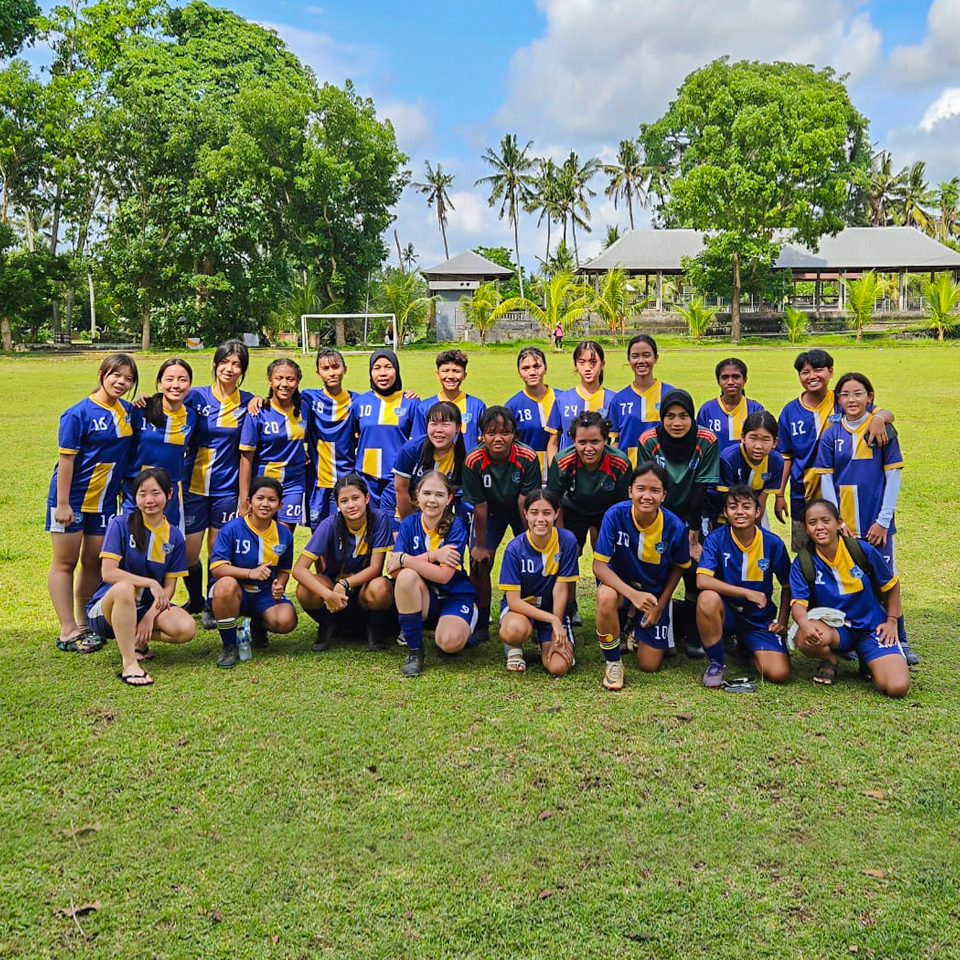
  • Having a Go at Clubs and Activities: Whether it’s having a kickabout with the Tiger Football Academy, joining the Model United Nations, getting involved in creative arts clubs, or helping out with community service, shared passions provide common ground for students to connect and build friendships outside of lessons.
  • School Events and Celebrations: SES actively celebrates the rich mix of its international community through school-wide events, cultural festivals, and international days. These vibrant occasions provide opportunities for students to share their traditions, learn about others, and build connections through shared experiences and a bit of appreciation for each other.
  • Just Hanging Out: From swapping stories during break times to supporting each other during school events, the everyday chats and interactions within the SES campus naturally lead to the formation of strong friendships that often go beyond the school gates and even national borders.

Nurturing Interconnected Communities:

SES goes beyond simply helping friendships along; it actively nurtures a sense of being all connected within its community and prepares students to be proper engaged global citizens:

  • Understanding Other Cultures: The curriculum at SES, often drawing upon the International Primary Curriculum (IPC) and Cambridge Pathway, naturally fosters an understanding and appreciation of different cultures, histories, and ways of seeing things. This equips students with the empathy and knowledge to navigate an increasingly interconnected world.
  • Learning Languages: The emphasis on picking up languages at SES provides students with the crucial tools to chat and connect with individuals from all sorts of language backgrounds, further breaking down barriers and fostering understanding.
  • Working Together on International Projects: Loads of learning activities at SES encourage students to have a look at global issues, work together on international projects (even online), and develop a sense of responsibility towards the global community.
  • A Shared Way of Being Respectful and Inclusive: The core values of SES emphasise respect, empathy, and making sure everyone feels included, creating a safe and welcoming environment where every child feels valued and connected, no matter where they come from. This shared way of doing things forms the bedrock for building strong and interconnected communities.

A Gateway to a Global Future:

For the children at Surabaya European School, their time at SES is more than just an education; it’s getting stuck into a global community, a great opportunity to forge friendships that span continents and to develop the understanding of other cultures needed to do well in a world where everyone’s connected. By actively nurturing these connections and fostering a shared sense of belonging, SES truly acts as a gateway, opening doors for its students to become confident, compassionate, and engaged members of the international community, both now and in their future endeavours. The friendships made within the walls of SES aren’t just childhood memories; they’re the seeds of a truly interconnected and understanding global future.

Roaring with Potential: Discover the Surabaya European School (SES) Tiger Football Academy

Roaring with Potential: Discover the Surabaya European School (SES) Tiger Football Academy

In Surabaya’s lively sports scene, the Surabaya European School (SES) Tiger Football Academy shines as a beacon for young, aspiring footballers. It’s more than just an after-school club; it’s a key part of SES’s focus on helping students grow in all areas. The academy offers a supportive yet challenging place where students can develop their football skills and learn proper life lessons, all while proudly representing the school.

The SES Tiger Football Academy welcomes students of all ages and abilities within the school and local community, building a proper love for football from the early years right through to secondary school. The academy’s approach goes beyond simply teaching how to play football. It’s about building strong teamwork, self-discipline, respect, and good sportsmanship – values that are right at the heart of the SES way of doing things.

A Well-Rounded Approach to Football Development:

The coaching at the SES Tiger Football Academy is designed to cover all aspects of the game:

  • Improving Skills: Through age-appropriate drills and exercises, students develop their basic football skills like passing, dribbling, shooting, tackling, and understanding their position on the pitch. The academy aims to give each player a solid technical base.
  • Understanding Tactics: As players get more experienced, the academy introduces them to game plans, formations, and the importance of working together to achieve team goals.
  • Getting Physically Fit: Because football demands a lot physically, the academy includes fitness training to improve players’ speed, agility, strength, and stamina, making sure they are ready for the demands of the game.
  • Building Mental Strength: The academy knows that mental toughness is crucial in football. Coaches work on building players’ confidence, ability to bounce back from setbacks, and positive attitude towards getting better.
  • Playing Fair and with Respect: In line with SES’s core values, the Tiger Football Academy stresses the importance of respecting opponents, referees, and the spirit of the game. Fair play and ethical behaviour are non-negotiable in the academy’s culture.

More Than Just a Game: Learning Proper Life Lessons:

Being part of the SES Tiger Football Academy offers students benefits that go far beyond the football pitch:

  • Teamwork and Collaboration: Football is a team sport, and the academy provides many chances for students to learn how to work together, communicate properly, and aim for a shared goal.
  • Discipline and Commitment: Regular training and matches teach young players discipline and responsibility, showing them the value of dedication and sticking with things.
  • Leadership and Taking Responsibility: As players develop and take on different roles within their teams, they learn to lead and take responsibility for their actions and their teammates.
  • Resilience and Overcoming Challenges: The ups and downs of competitive football teach students how to be resilient, helping them to recover from disappointments and learn from both wins and losses.
  • Physical and Mental Well-being: Regular physical activity through football promotes a healthy lifestyle and contributes to students’ overall physical and mental health.

Success Both On and Off the Field:

While the main focus is on development and enjoyment, the SES Tiger Football Academy has also seen significant success in local and regional junior leagues and tournaments. These achievements show the hard work of the players, the dedication of the coaching staff, and the supportive environment created by the academy and the wider SES community.

The SES Tiger Football Academy is more than just a football programme; it’s a key part of the school’s commitment to helping students grow into well-rounded individuals. By providing opportunities for athletic development alongside the teaching of proper good values, the academy empowers its students to become not only skilled footballers but also responsible, resilient, and collaborative young adults who are ready to succeed with confidence in all aspects of their lives. As the academy continues to grow and inspire, it remains a source of pride for the entire Surabaya European School community.