




CONGRATULATIONS TO OUR STUDENTS WHO ACHIEVED
SCORES IN INDONESIA
THE BEST
IGCSE
SES is proud to offer the full Cambridge Pathway for learners from 5 to 19 year of age
SES is fully accredited by Badan Akerditasi Nasional with 'A' grades for Montessori, Primary, Lower Secondary and Upper Secondary
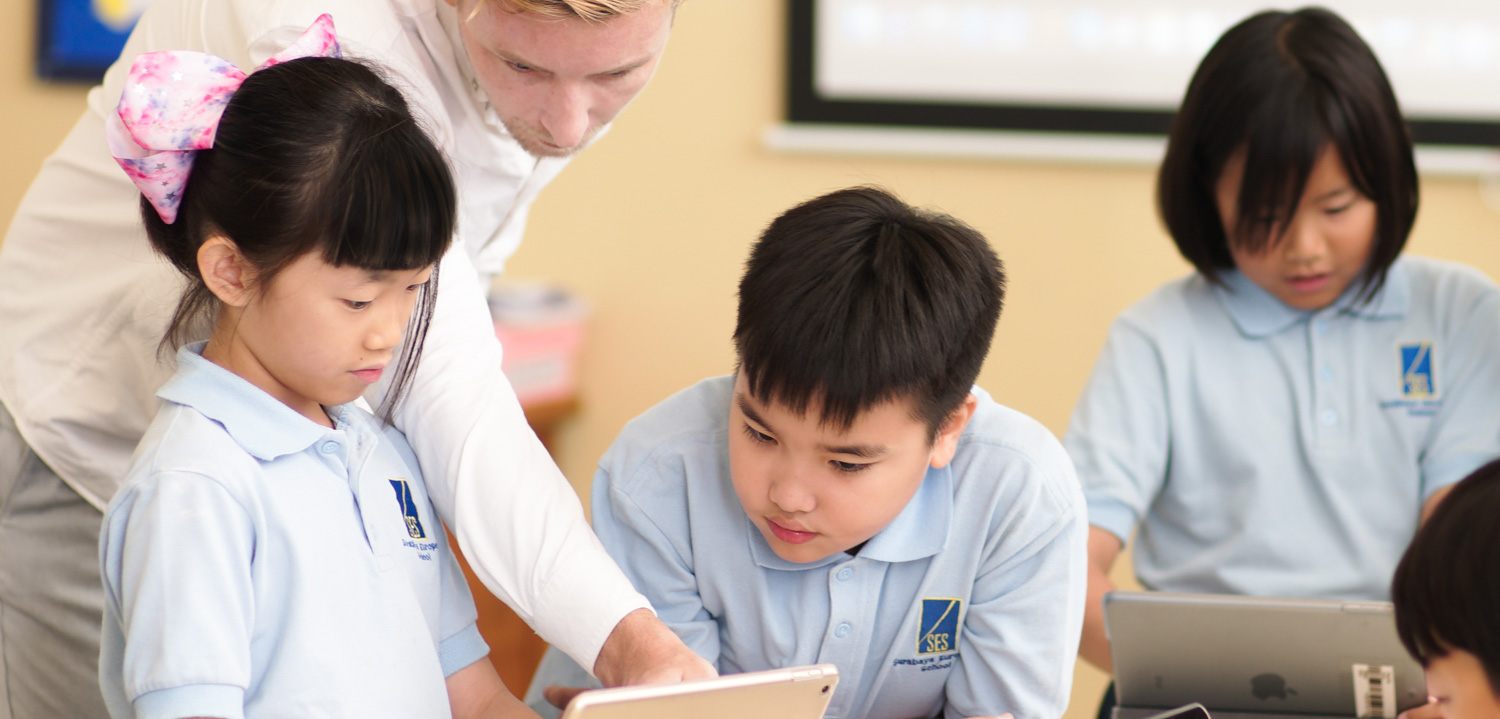
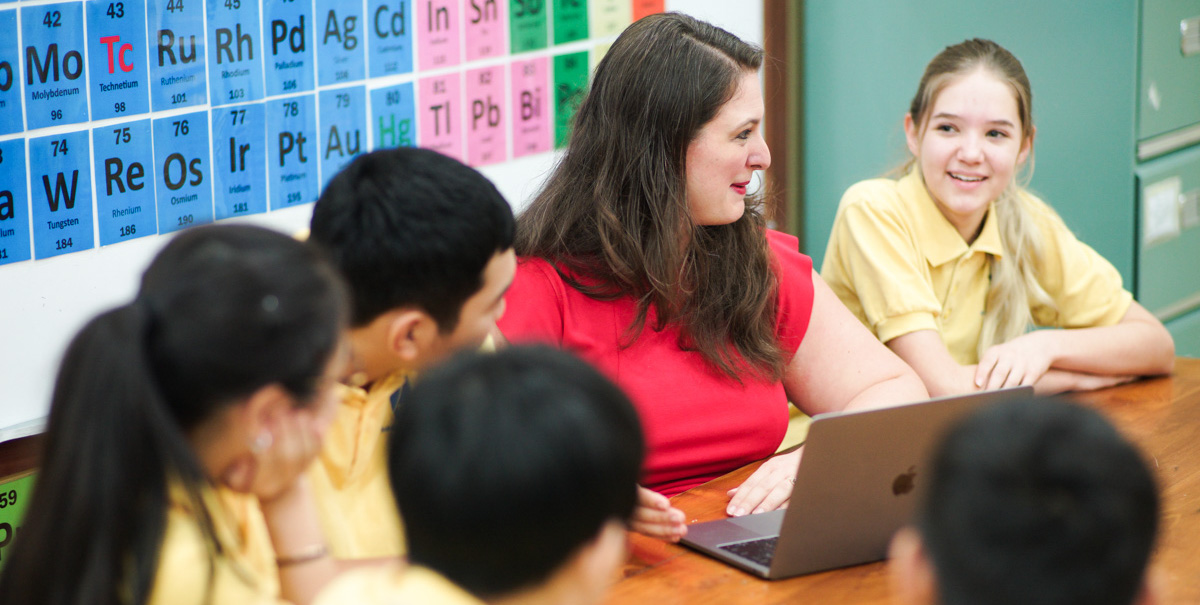
Alongside their qualifications and experiences, Surabaya European School’s teachers have the qualities needed to support and inspire students in a high performing international school. These include enthusiasm, independence, resilience, adaptability and a sense of humour. From Montessori school, Primary School and Secondary school these characteristics all contribute to the caring, supportive environment and caring community that encourages each students to explore and develop their potential in their own way.
Educating Global Citizens
Our consistent focus for students is on high academic standards, essential life skills and a sense of responsibility to the community all within the framework of a ‘family like’ atmosphere. We also ensure that each student receives the educational support they need while being challenged to extend themselves according to their individual potential.
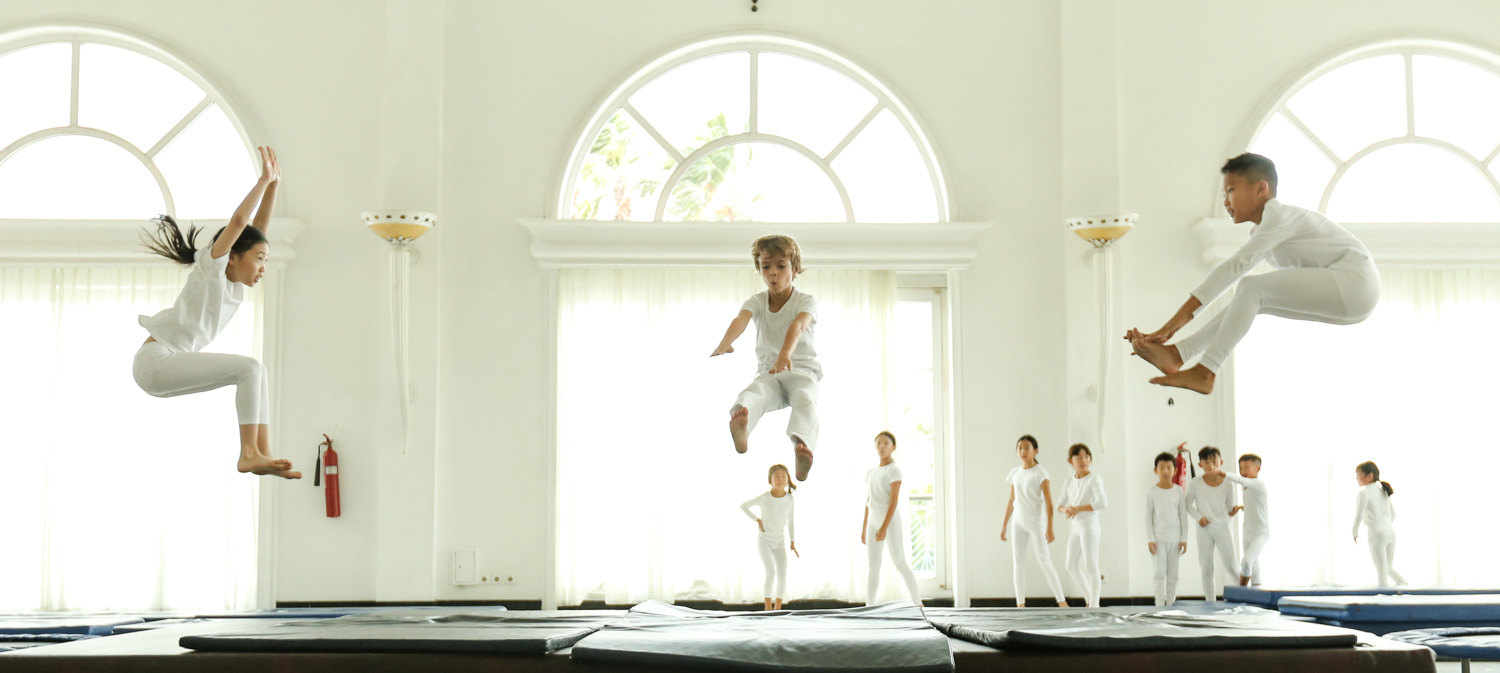
As an international school we pride ourselves on the family atmosphere and culturally diverse community we have created here in Surabaya. We make a conscious effort to hold events that offer our community the opportunity to come together in wide range of sporting, artistic, intellectual and cultural activities. In addition to cultivating a sense of belonging, this allows our students to explore their creativity and imagination and gain confidence in expressing themselves.
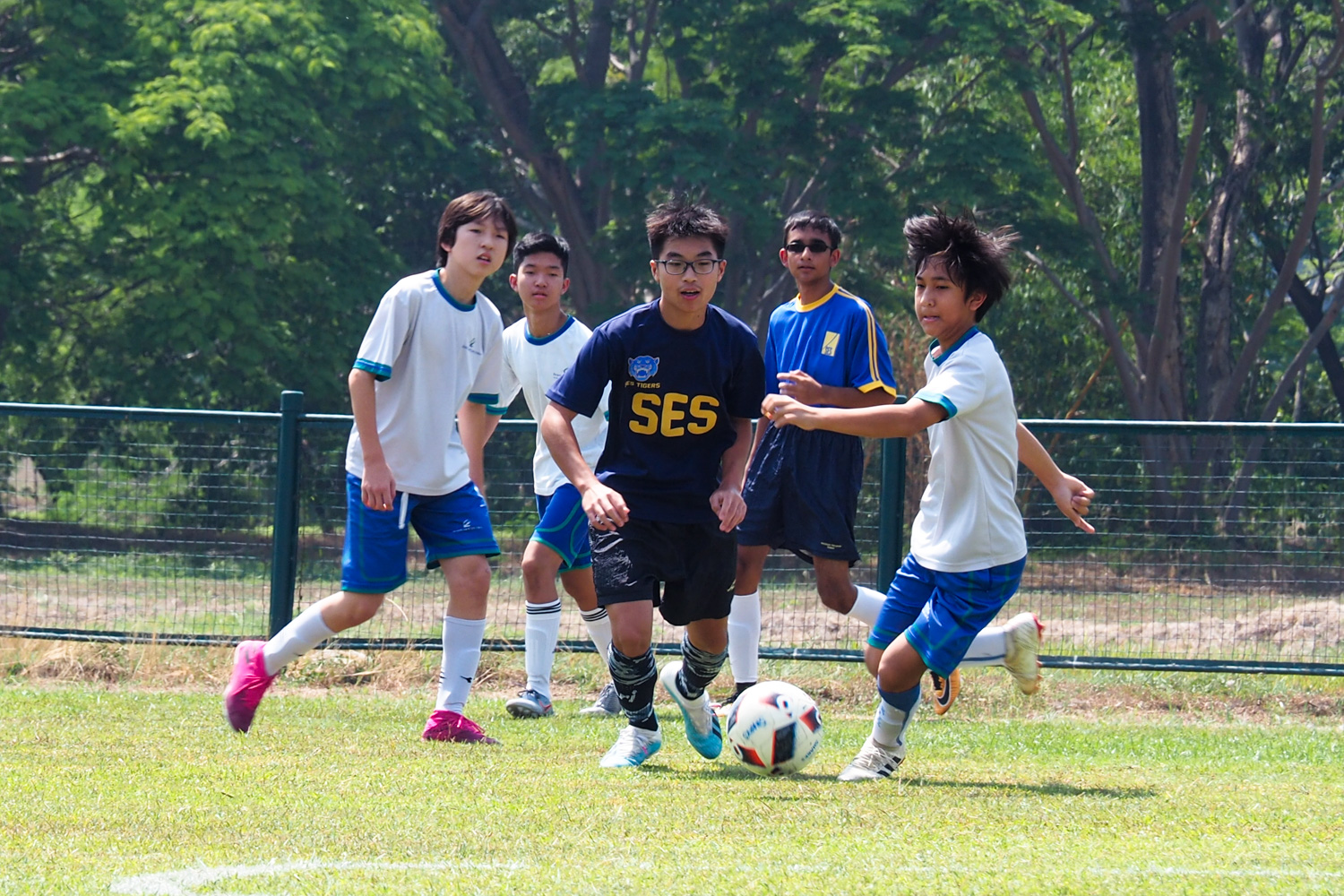
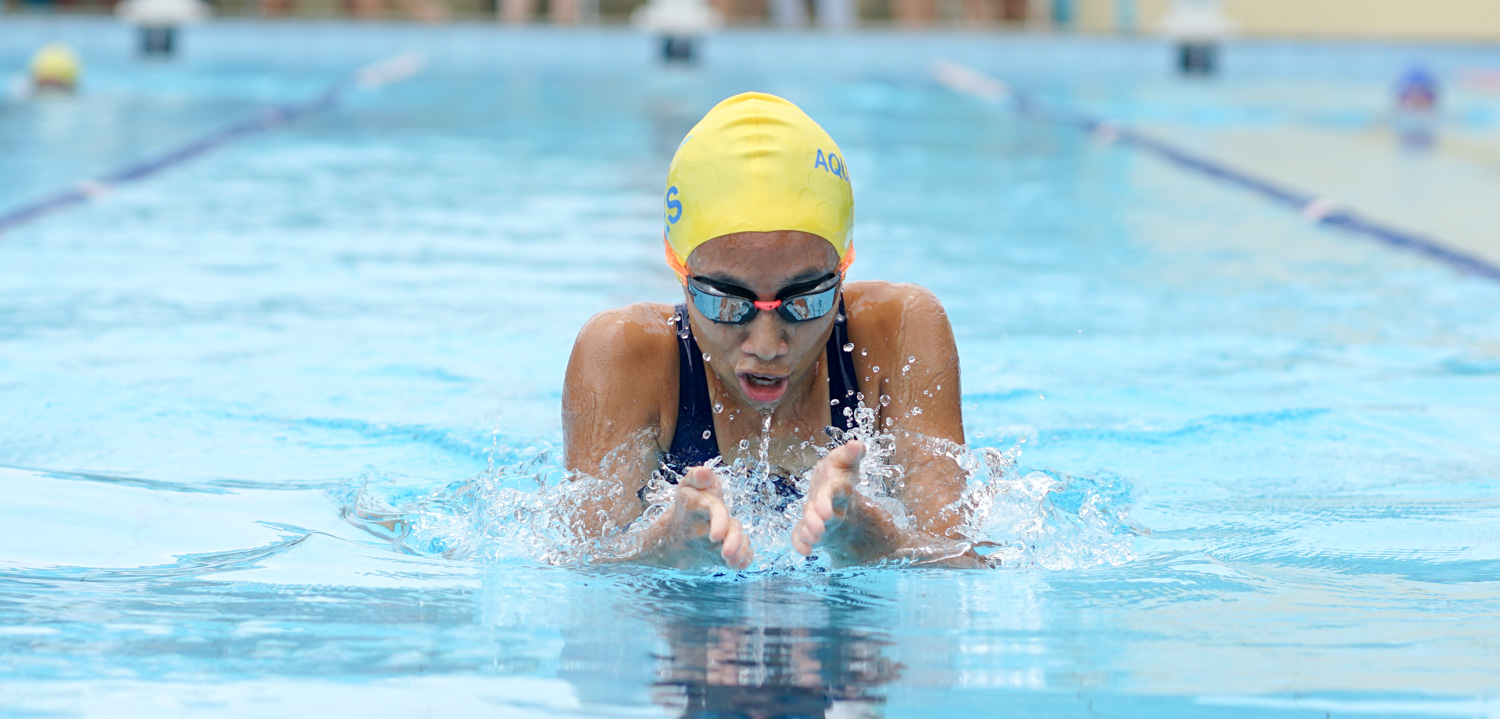
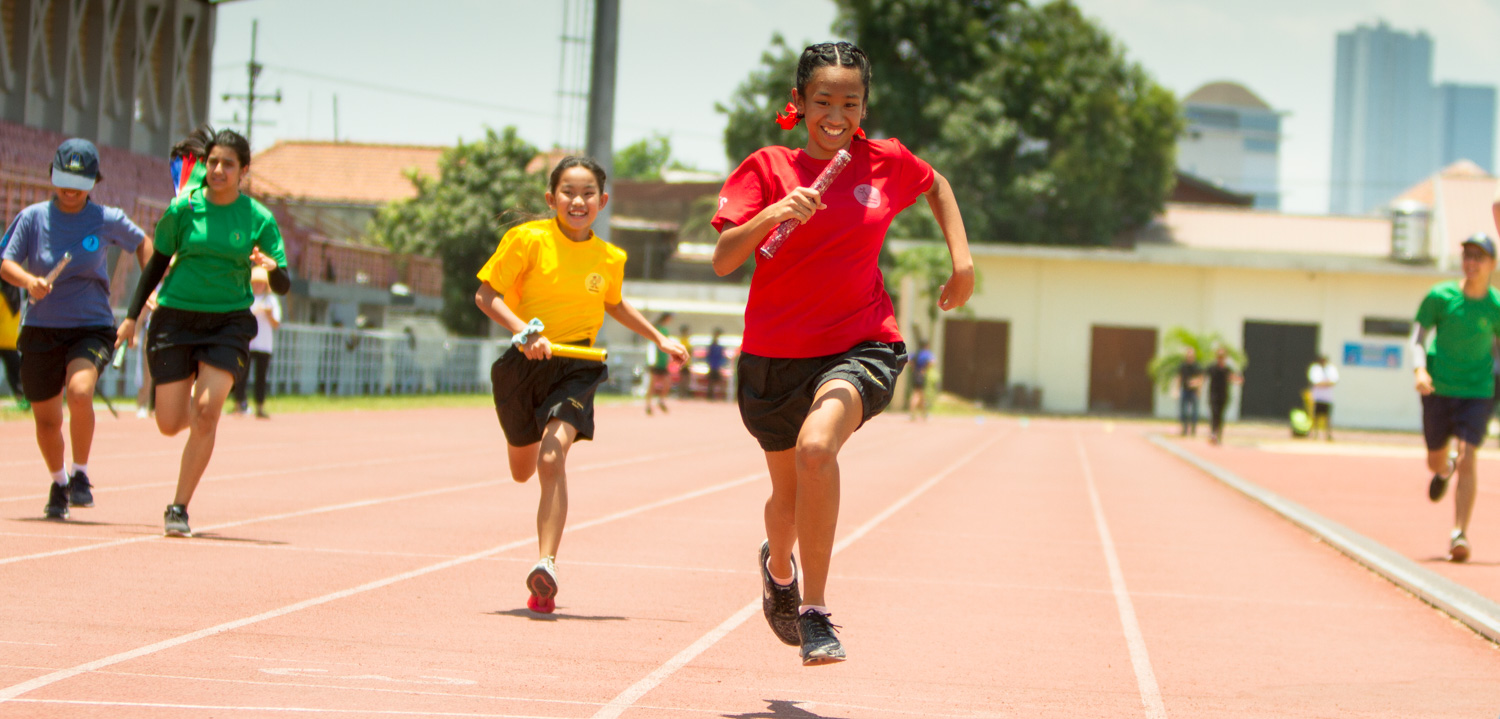
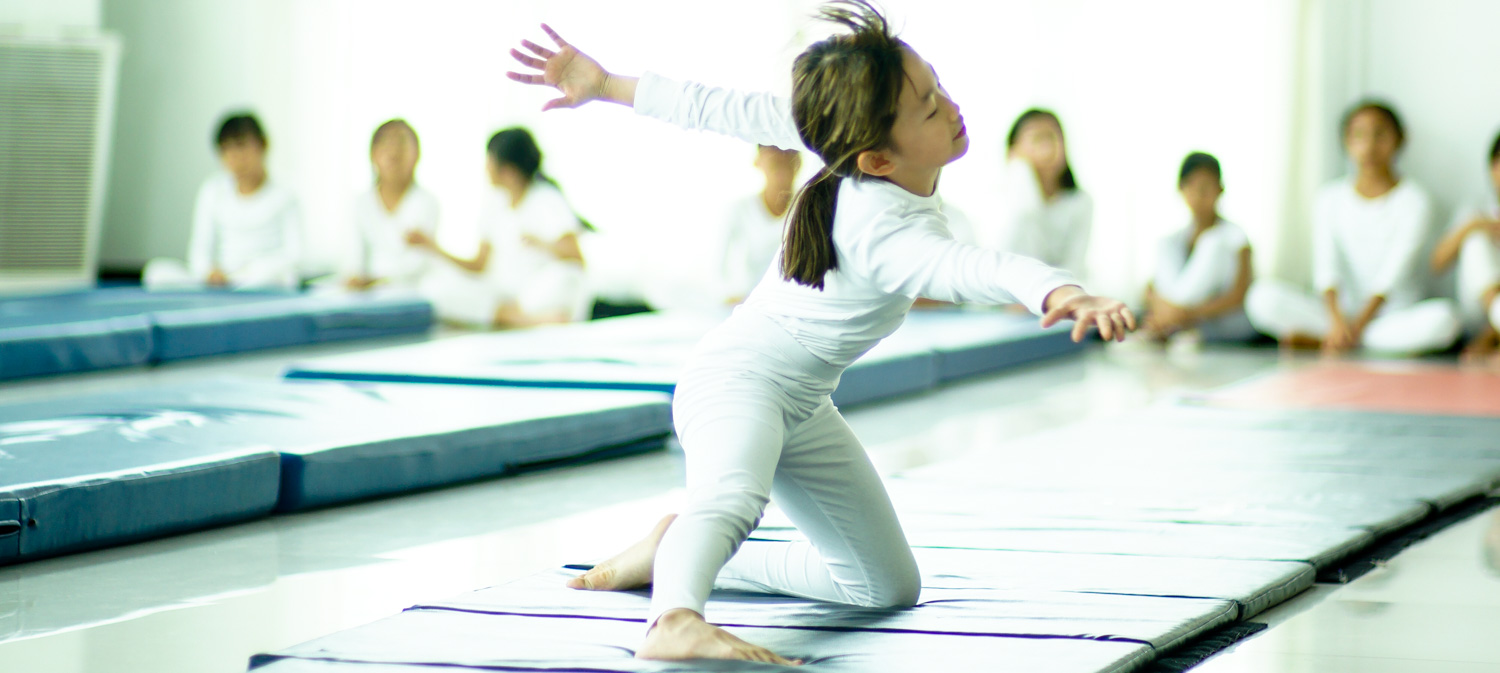
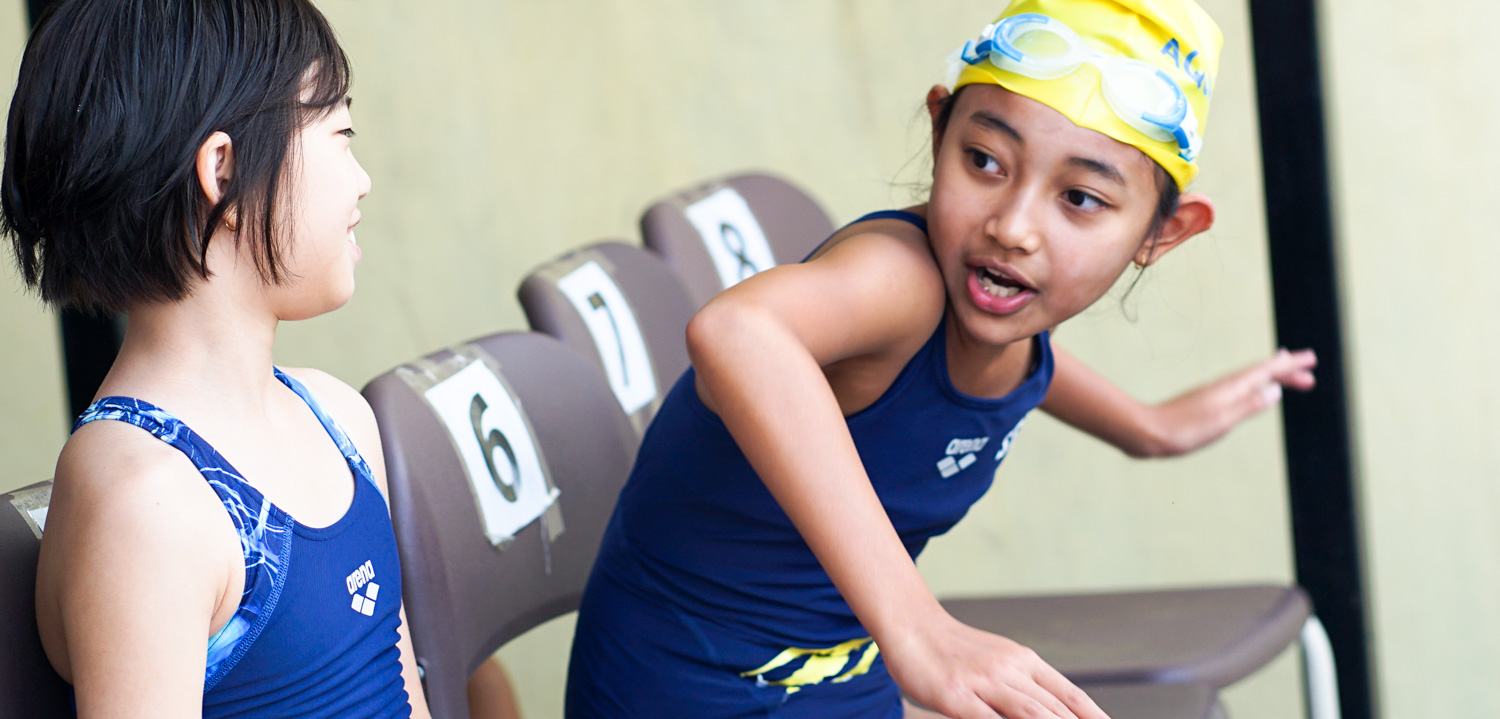
SES celebrates the sporting, cultural, social and charitable activities of our school community. Providing our students with opportunities for fitness, sport, artistic expression as well as a supportive social environment is a very important part of their holistic development. We appreciate the extensive efforts of our teachers and parents in providing a well-rounded experience. Check out our Instagram feed…
Hands-on mathematics in the primary classroom 🧩
Developing spatial awareness and problem-solving skills is a crucial part of our early mathematics curriculum.
Here, two of our young learners are working collaboratively to complete a geometric puzzle. By physically manipulating the colourful shapes to fit the patterns on the board, the students gain a practical understanding of basic geometry. This hands-on approach allows them to test different ideas and visually see how shapes interact with one another.
Excellent focus and teamwork on display from these two! 👏
Developing spatial awareness and problem-solving skills is a crucial part of our early mathematics curriculum.
Here, two of our young learners are working collaboratively to complete a geometric puzzle. By physically manipulating the colourful shapes to fit the patterns on the board, the students gain a practical understanding of basic geometry. This hands-on approach allows them to test different ideas and visually see how shapes interact with one another.
Excellent focus and teamwork on display from these two! 👏
We learn early on that solids keep their shape whilst liquids flow. But what happens when a solid is made of tiny grains?
Our Year 4 students recently put this to the test by investigating granular solids like sand, salt, sugar, and flour. Swipe through to see their scientific process in action.
They started by observing the individual particles closely with magnifying glasses. After classifying their materials, the students designed a fair test. They used a funnel and a stopwatch to measure exactly how long it took for each solid to pour.
In the end, they correctly concluded that whilst these materials can flow like liquids, they remain solids made of tiny, individual pieces. A brilliant example of practical scientific enquiry!
We learn early on that solids keep their shape whilst liquids flow. But what happens when a solid is made of tiny grains?
Our Year 4 students recently put this to the test by investigating granular solids like sand, salt, sugar, and flour. Swipe through to see their scientific process in action.
They started by observing the individual particles closely with magnifying glasses. After classifying their materials, the students designed a fair test. They used a funnel and a stopwatch to measure exactly how long it took for each solid to pour.
In the end, they correctly concluded that whilst these materials can flow like liquids, they remain solids made of tiny, individual pieces. A brilliant example of practical scientific enquiry!
Our Year 3 classroom transformed into a culinary hub for their unit Exit Point.
After weeks of exploring where our food comes from, how it fuels our bodies, and designing our own restaurants, students celebrated by sharing their favourite creations. From presenting their dishes to the all-important taste test, it was a feast for the senses.
Well done to our budding restaurant designers, nutritionists and architects!
Our Year 3 classroom transformed into a culinary hub for their unit Exit Point.
After weeks of exploring where our food comes from, how it fuels our bodies, and designing our own restaurants, students celebrated by sharing their favourite creations. From presenting their dishes to the all-important taste test, it was a feast for the senses.
Well done to our budding restaurant designers, nutritionists and architects!
In Year 4 Science, things got a little messy—and a lot of fun!
We have been investigating states of matter, specifically Non-Newtonian fluids. Our students engaged in a fascinating experiment making Oobleck. By mixing cornflour and water, they created a substance that breaks the rules: it feels hard like a solid when you punch or squeeze it, but flows like a liquid when you let it rest.
This hands-on experiment encouraged students to observe, question, and understand the properties of materials in a memorable way.
In Year 4 Science, things got a little messy—and a lot of fun!
We have been investigating states of matter, specifically Non-Newtonian fluids. Our students engaged in a fascinating experiment making Oobleck. By mixing cornflour and water, they created a substance that breaks the rules: it feels hard like a solid when you punch or squeeze it, but flows like a liquid when you let it rest.
This hands-on experiment encouraged students to observe, question, and understand the properties of materials in a memorable way.
In Year 4 Science, we have been exploring the different states of matter. But how do you study something you often cannot see? You trap it! 🕵️♀️
Students conducted a fascinating experiment to “make gas”. By mixing specific solids and liquids, they triggered a chemical reaction that released gas, inflating the balloons right before their eyes. It was a brilliant visual demonstration of how gas takes up space and exerts pressure.
In Year 4 Science, we have been exploring the different states of matter. But how do you study something you often cannot see? You trap it! 🕵️♀️
Students conducted a fascinating experiment to “make gas”. By mixing specific solids and liquids, they triggered a chemical reaction that released gas, inflating the balloons right before their eyes. It was a brilliant visual demonstration of how gas takes up space and exerts pressure.